
Challenges in Understanding the Psychology of Social Groups
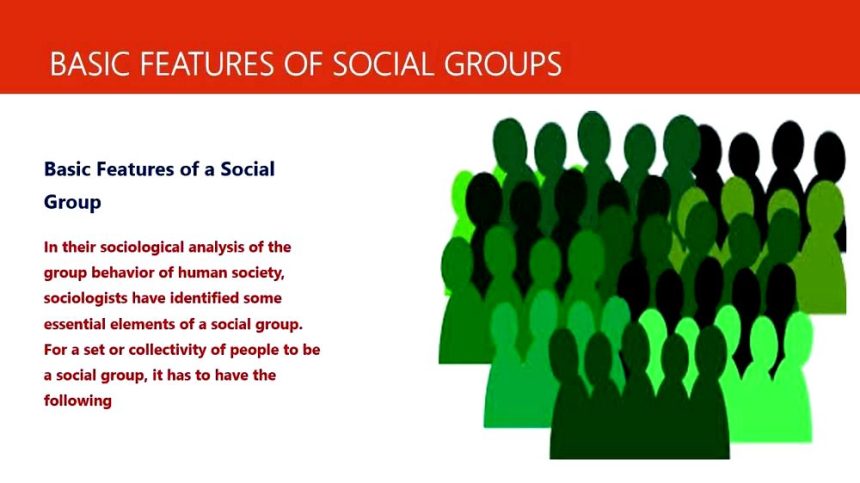
Understanding the psychology of social groups is an interesting and complex field that aims to understand the psychological processes that occur within groups of people. When we talk about social groups, we refer to groups of people working together, friends, family, or any other group that exists within a specific community.
A group is like a living system, with internal communication and influence processes.
Prof. Sarah Cohen – Social Researcher
The challenges in understanding the psychology of social groups are diverse and include technical, theoretical, and practical challenges. One of the key challenges is understanding the complex dynamics among individuals in a group, and how each person influences others. How does one person’s actions affect the behavior and emotions of group members? How can interpersonal relationships be improved and healthy social connections be created within a group?
Additionally, there is also the challenge of monitoring and managing communication processes among group members. These processes may be complex and involve understanding dynamics such as emotions, sense of belonging, self-awareness, and more. Managing communication processes within a group requires a deep understanding of the group’s psychology and can be challenging and complex.
For every challenge, there are also solutions. Understanding the psychology of social groups allows us to develop new tools and strategies to improve processes within a group, promote cooperation, and create a unified and healthy community.
In summary, understanding the psychology of social groups is central to improving social and personal processes within our groups. We must confront the complex challenges arising from the psychological processes within the group and seek appropriate solutions to create strong and influential social communities.
Opportunities to Improve Social Relationships Among People
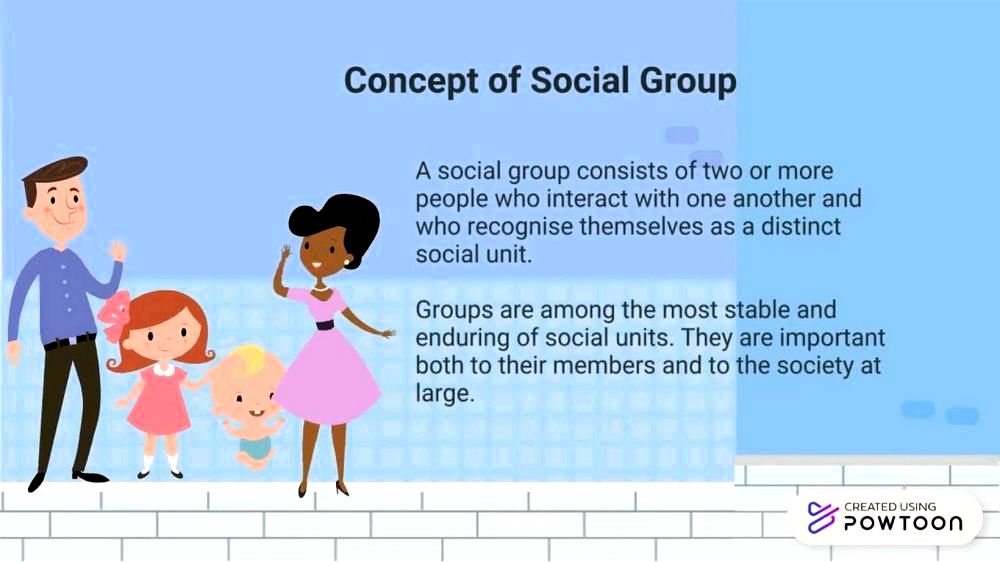
Social relationships are an essential part of our lives and can influence a person’s level of happiness and satisfaction. When we understand the psychology of social groups, we can identify opportunities and tools to improve human relationships and create strong and supportive communities.
One opportunity to improve social relationships is through active and deepened interaction with others. This includes areas such as active listening, creating genuine connections, and collaboration in community activities. Consistent engagement in these activities can strengthen our social connections and foster a deeper connection with those around us.
Another opportunity to improve social relationships is by creating supportive communities and a place of security and familiarity. When we feel warmth and support from our community, we feel more secure and ready to face social and personal challenges. Creating supportive communities can happen through shared community activities, such as workgroups, support groups, or community events.
In conclusion, understanding the psychology of social groups can lead to a significant improvement in the social quality of our lives. We need to invest effort and time in building healthy and supportive social relationships and being part of communities that provide emotional connection and support to others.
Opportunities for Promoting Effective Teamwork Processes
Promoting effective teamwork processes is key to improving performance and success of any organization. Understanding the psychology of social groups can help us understand how to promote team work and improve the ability to collaborate among team members. When we better understand the psychological processes of the team, we can implement more effective strategies and create a positive and professional work environment.
One option for promoting effective teamwork processes is to promote open and honest communication among team members. Effective communication ensures that every team member can express themselves openly and clearly, making error correction and problem-solving more efficient. Openness and trust among team members are required to ensure effective communication and build team confidence.
A deep understanding of group dynamics can improve our ability to survive and thrive together.
Dr. Yael Levi – Social Psychologist
Another option for promoting effective teamwork processes is to promote collaboration and close work among team members. When members work together steadily and primarily show support and understanding from different angles, decision-making processes and problem-solving are more efficient and faster. It is important to promote team activities such as workshops and group activities to improve the ability to collaborate among team members.
In summary, promoting effective teamwork processes is the foundation for team success. Understanding the psychology of social groups and implementing effective strategies can lead to a significant improvement in team performance and sustainability.
Challenges in Understanding the Influence of Social Groups on Individual Behavior
The influence of social groups on human behavior is a complex field that leads to many challenges in understanding the psychology of groups. When we talk about the influence of social groups on individual behavior, we refer to the factors that lead to changes in human behavior as a result of the group’s influence.
One of the main challenges in understanding the influence of social groups is understanding how the group influences individual behavior. Often, the group’s influence on individual behavior can be indirect and complex. For example, group bonding processes may influence individual behavior in ways that are not always clear to the naked eye.
Understanding the influence of social groups on individual behavior requires the ability to identify and analyze the various factors that may influence each member of the group. Additionally, systemic thinking and the ability to understand the psychological processes within the group are integral parts of understanding this influence.
The next challenge in understanding the influence of social groups is dealing with various psychological processes that may influence individual behavior. These processes include homogeneity influence, leadership influence in a group, and the influence of general group processes on decision-making processes.
In conclusion, understanding the influence of social groups on individual behavior is a complex process that requires in-depth and critical research. Only by understanding these processes can we develop tools and strategies that can help us understand and manage the influence of social groups as part of our personal and social development.
Opportunities for Developing Empathy and a Higher Understanding of Group Dynamics
The psychology of social groups is a branch of psychology that focuses on studying group behavior and relationships between them. This psychology deals with group dynamics, including their influence on the emotions, thoughts, and behavior of people within the group. Understanding group dynamics allows us to better understand the social system around us and develop empathy and a deeper understanding of others.

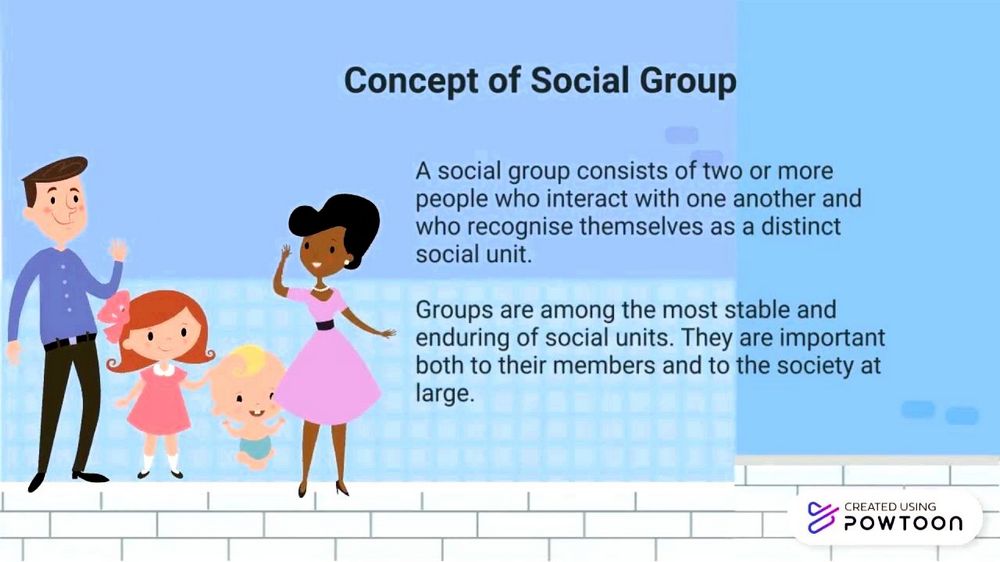
In today’s world, the ability to understand group dynamics is essential for everyone. Interpersonal communication and teamwork are inseparable parts of our daily lives, and therefore there is a great need for the ability to deal with group dynamics constructively and in the format of psychological counseling. Developing empathy and a higher understanding of group dynamics can be achieved by understanding the psychological processes of the group, thereby improving the ability to improve communication processes and collaboration within the group.
Understanding group dynamics allows a conscious approach to the mental processes of others in the group, providing us with tools to nurture empathy and a deeper understanding of their needs and feelings. With these tools, we can reduce resignation and contradiction in group communication and promote collaboration and integration among people in the group.
The group is a dynamic social system that influences our feelings and behaviors.
Prof. Aviva Cohen – Social Researcher
Therefore, developing the ability to understand and work with group dynamics is an important added value in the modern age. Instead of focusing only on individuals, it is important to understand the importance of relationships between people and their influence on our daily lives. Only through deep understanding and empathy can we create diverse and supportive social communities based on collaboration, respect, and understanding.