
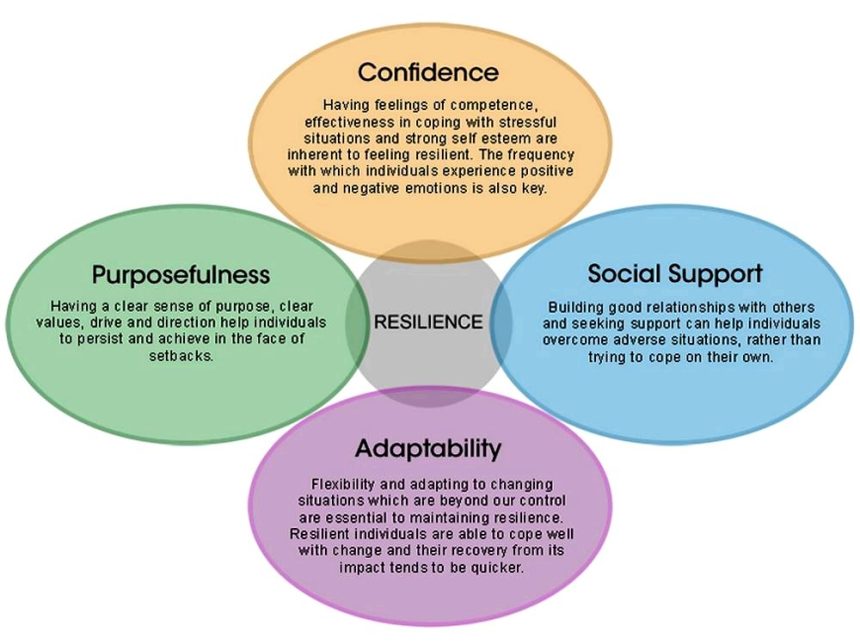
Developing Emotional Intelligence
Emotional intelligence is the ability to understand and manage our emotions in a healthy and effective way. It includes the ability to identify our own emotions and those of others, manage them appropriately, and use them to solve problems and make thoughtful decisions. Emotional intelligence is central to success in personal and professional life and is considered very important in the modern era in which we live.
Developing emotional intelligence involves a number of skills and processes that help improve our emotional abilities. As we develop our emotional intelligence, we enhance our ability to cope with stressful situations and deal with challenges in a healthy and effective manner. Emotional intelligence also helps us develop healthy and deep relationships with others, which positively impacts the quality of our lives.
When we focus on developing emotional intelligence, we cultivate patience and perseverance, learn to identify emotions and manage them in a healthy way, and develop social communication skills and empathy. Additionally, emotional intelligence helps us develop the ability to cope with pressures and challenges and deal with difficulties in life in a healthy and heartfelt manner.
Ultimately, developing emotional intelligence helps us become more balanced, independent, and happy individuals. As we develop our emotional intelligence, we feel more confident, capable of facing the challenges ahead, and successful in creating more positive and deeper relationships with those around us.
Social Skills
Social skills are an important component in our emotional and social development. They help us understand our own emotions and those of others, communicate efficiently with people around us, and build quality social relationships. Social skills include the ability to manage negative emotions, listen attentively, and express emotions in a healthy and confident manner.
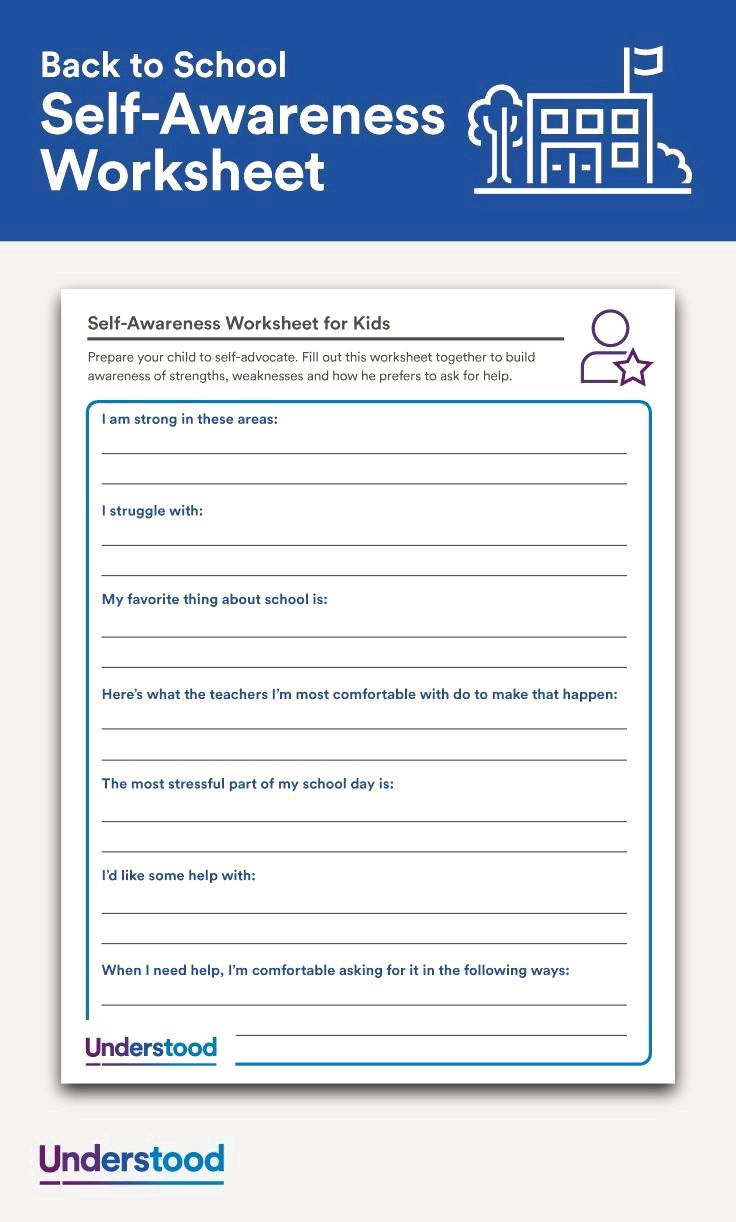
The development of social skills requires practice and constant learning. Communication skills, social sensitivity, and the ability to build relationships can be improved through practice and persistence. It is important to be open to new realities, express our emotions in a healthy way, and learn from the social system around us.
Significant importance is given to our approach to our own emotions and the emotions of others.
Abigail Cohen – Personality Development Teacher
Social understanding is also an important part of developing social skills. The ability to understand others’ perspectives, identify emotions, and communicate efficiently influences our ability to succeed in our social relationships.
In conclusion, developing social skills is an important process that affects the quality of our lives and the social relationships we build. We must focus on learning and practicing communication skills, social sensitivity, and social understanding in order to develop and grow personally and socially.
The Influence of Emotions on Social Relationships
Emotions have a significant impact on our social relationships. Emotional intelligence is the ability to identify, understand, and manage our emotions and those of others in a healthy way. When we develop emotional wisdom, we can create quality and deeper social relationships.
Our emotions influence how we behave and react to others. When we recognize and understand our emotions, we can better respond to the emotions of others and create genuine and empathetic social relationships.
Emotional intelligence helps us develop important social skills such as communicating clearly and non-verbally, expressing our emotions in a healthy way, and dealing with social issues maturely.

Positive social engagement leads to emotional development and the advancement of our social abilities.
Shira Cohen – Social Psychologist
As we develop emotional wisdom and social skills, we gain the ability to cope with social challenges in a mature and healthy way. This leads to emotional stability, self-confidence, and the ability to create positive and central social relationships.
Psychological Aspects of Dealing with Social Challenges
Dealing with social challenges is a complex process that requires the ability to manage emotions and communication with others in a healthy and effective way. In this article, we examine how developing emotional intelligence and social skills may contribute to coping with social challenges optimally.
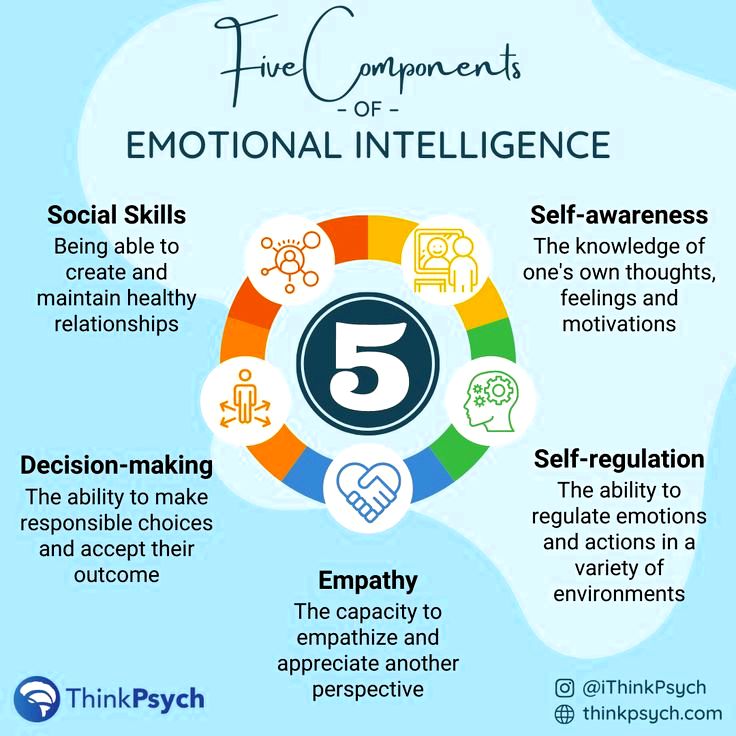
Emotional intelligence refers to the ability to identify, understand, and manage our emotions and those of others. The ability to examine emotions objectively may help in understanding the psychological processes that influence our behavior and relationships with those around us.
In addition, social skills include the ability to communicate efficiently with others, build healthy relationships, and develop social sensitivity. These skills are crucial for successfully coping with social challenges and creating a supportive and empathetic social environment.
In articles on developing emotional intelligence and social skills, you can find advice and guidance on how to develop these abilities and use them effectively. They may contribute to improving the quality of our social relationships and reducing the risks encountered in dealing with social challenges.
In conclusion, developing emotional intelligence and social skills are important tools for coping with social challenges and creating healthy and supportive relationships with others. By working on these skills, we can enhance the quality of our social lives and reduce tensions that may arise in human relationships.
How to Develop Personal and Social Coping Skills
Coping with difficult emotions and situations is an integral part of our daily lives. The ability to cope with personal and social challenges affects the quality of our lives and our ability to progress and develop in the complex world in which we live. Personal and social coping skills are essential components in developing emotional intelligence and improving our social abilities.
Positive coping with emotions includes the ability to identify emotions, understand them, and manage them in a constructive and controlled way. When we effectively cope with feelings of sadness, guilt, or insecurity, we develop the ability to build healthier relationships and cope effectively with social challenges.
Emotional development is essential for building healthy relationships and social companionship.
Uri Levi – Emotional Guide
To develop efficient coping skills, we can use several tools and strategies. Principles such as mastering emotional control, developing cognitive abilities, and training in healthy communication with others may help improve our coping skills.
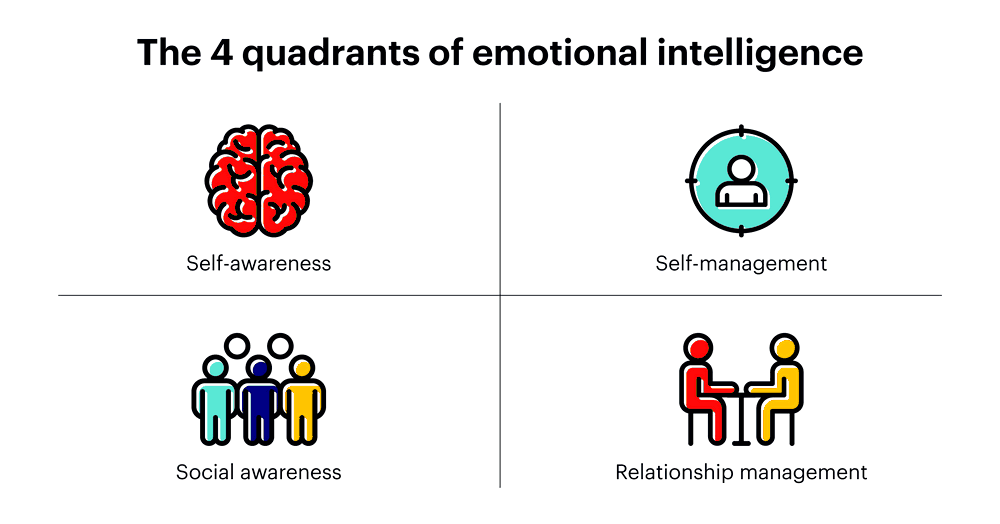
Moreover, positive thinking and focusing on solution options rather than problems may help us cope effectively with personal and social challenges. When we focus on the possibilities we have and seek creative solutions, we develop the ability to cope with challenges in a constructive and controlled manner.
In conclusion, developing personal and social coping skills is a key to improving emotions and succeeding in our personal and social relationships. We need to focus on developing these skills as part of our personal and social development process and invest in ourselves to reach a higher level of emotional intelligence and social skills.