Self-Regulation Workouts
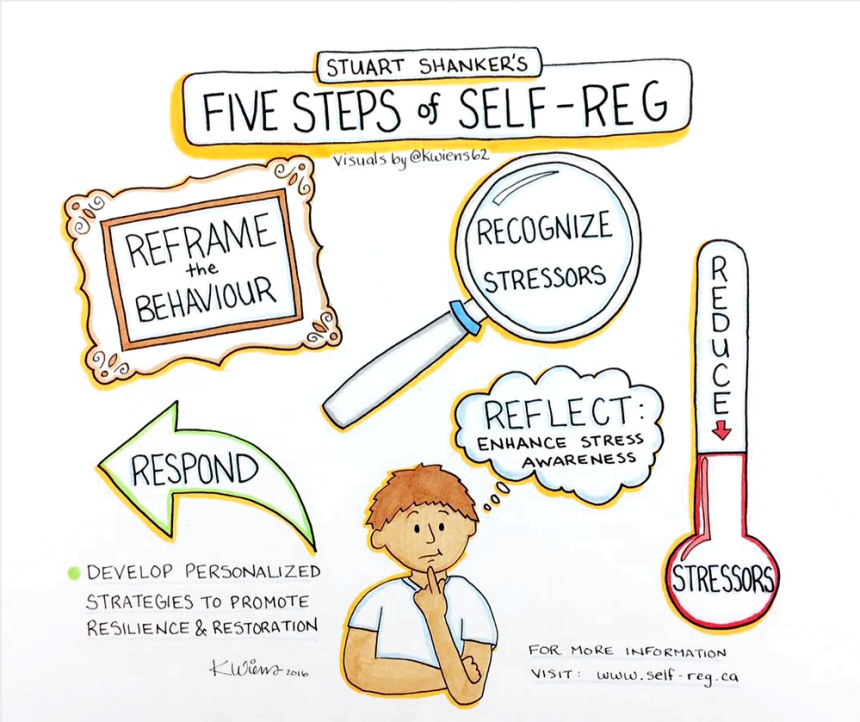
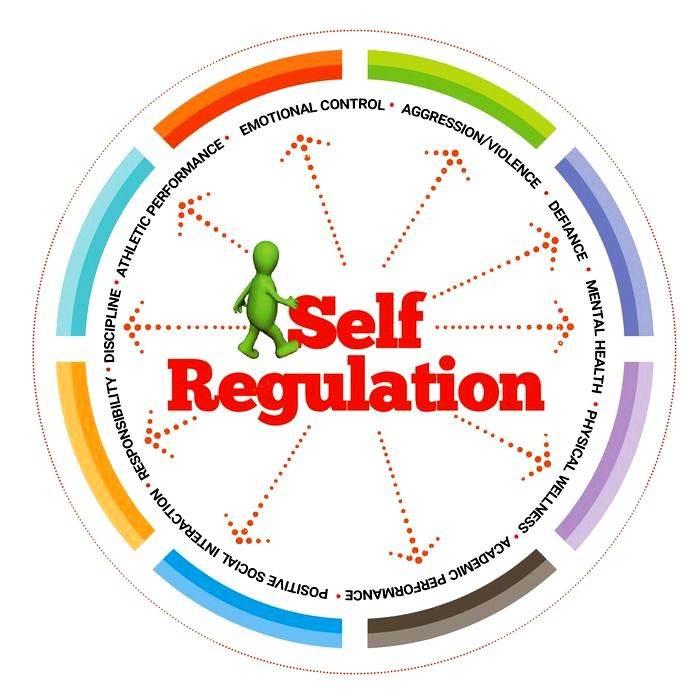
One of the most important skills to develop for coping with stress and pressure is self-regulation. Self-regulation is the ability to deal with our feelings and emotions and manage them in a healthy and efficient way. When we successfully self-regulate, we feel more calm, focused, and able to act in a more efficient and effective manner.
There are a number of techniques and strategies that can help us develop effective self-regulation. The following workouts can help you develop your ability to self-regulate.
- Breathing exercises: Deep and calm breathing can help you calm the mind and cope with feelings of anxiety and stress.
- Positive regulation exercises: Developing positive regulation can help you cope with feelings of nervousness and stress in a healthy and efficient way.
- Mindfulness exercises: Being aware of our feelings and emotions can help us develop more effective self-regulation.
- Emotion regulation exercises: Developing effective self-regulation can also be achieved through emotion regulation exercises, which aim to cope with difficult emotions in a healthy and efficient way.
With the right exercises and proper practice, you can develop your self-regulation ability and cope more effectively with various emotions and feelings that may affect your mental and physical well-being.
Breathing Techniques and Self-Regulation
Breathing techniques and self-regulation are important tools in the developmental and recovery process of an individual. Using these techniques may help reduce stress and anxiety levels, improve concentration and performance, and enhance inner calmness and peace.
One common technique is deep and focused breathing. During practice, it is important to focus on breathing and calm the mind. Deep breathing helps reduce stress and anxiety levels and provides a sense of peace and tranquility.
Another technique is focusing on the present moment. Instead of worrying about the future or dwelling on the past, it is important to focus on the present moment. This helps reduce stress levels and improve performance in various activities.
Only through inner peace can we achieve mental stability
Aharon Becker – Psychologist
Additionally, self-regulation techniques such as meditation and yoga may help reduce stress levels and promote inner calmness. They can be effective tools in combating anxiety and depression.
The real power is to control ourselves
Ben Gurion – Politician
In conclusion, breathing techniques and self-regulation are important tools in the developmental and recovery process, and it is recommended to use them regularly to improve quality of life and reduce stress and anxiety levels.
The Influence of Self-Role on Inner Calmness
Inner calmness is an emotional and mental state in which a person calms themselves and soothes their emotions. Self-role, or confidence in yourself and your ability to cope with challenges and difficulties, is valuable in this context. There are various techniques that can help develop inner calmness and inner peace, and they may be particularly effective when supported by an individual’s self-role.
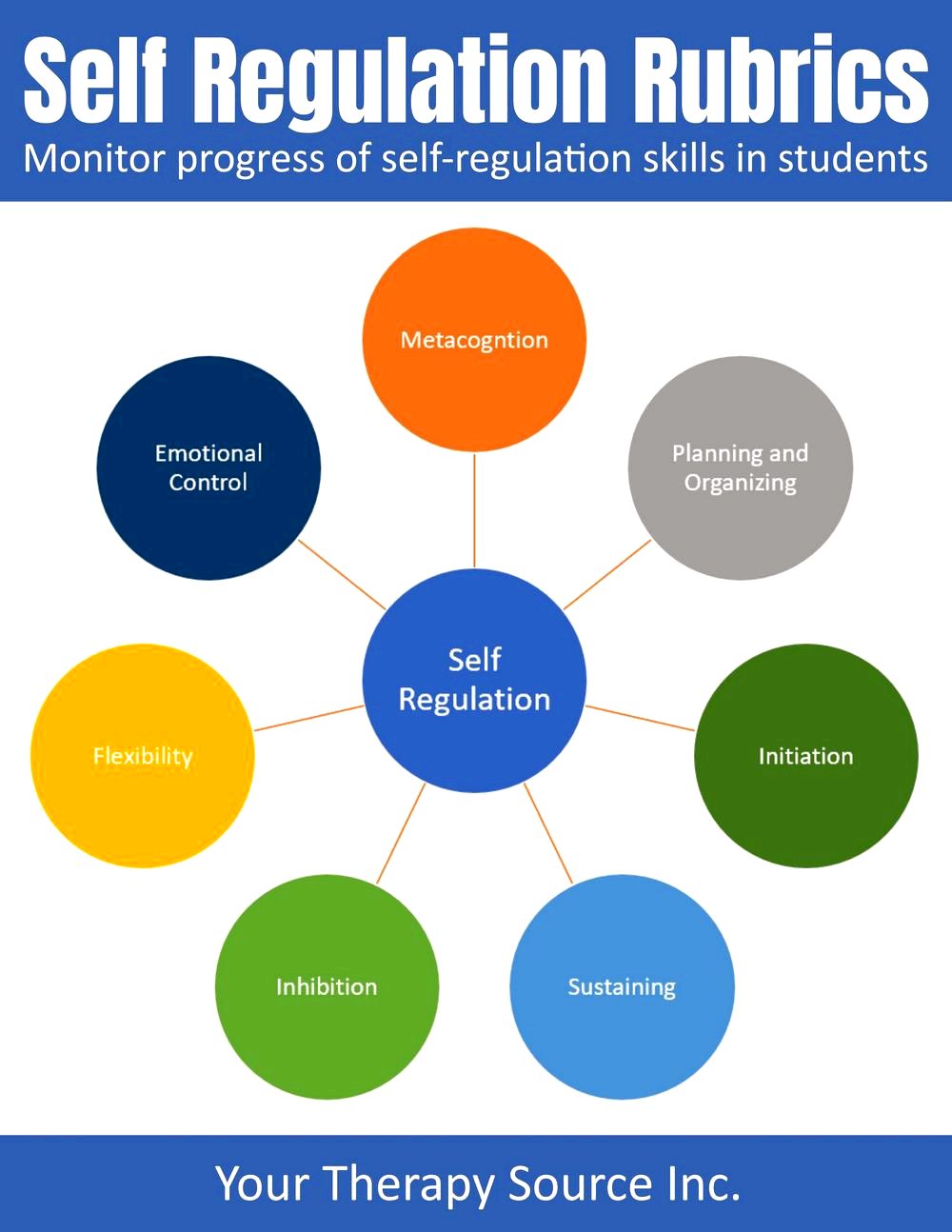
One of the outstanding techniques for improving inner calmness is self-calmness. This is a process in which a person focuses on their feelings, thoughts, and inner feelings and tries to calm them through concentration and regulation. Regular practice of self-calmness can lead to a significant improvement in inner calmness and the ability to cope with stress and pressure.
In addition to self-calmness, there are also strategies of self-calmness that can help improve inner calmness. When a person employs such strategies, they focus on the need to calm themselves independently, without dependence on external factors. This allows them to cope more effectively with life’s challenges and improve their inner calmness.
To improve inner calmness and reduce stress and anxiety levels, it is important to regularly practice self-regulation techniques and self-calmness strategies. Over time, you may feel that your control and self-assurance improve, and you can cope more effectively with the daily challenges of life.
Strategies to Reduce Anxiety and Stress Levels
When dealing with high levels of anxiety and stress, it is important to invest effort in developing strategies that can help reduce the stress and anxiety you experience. Here are a number of techniques that can help you recover and reduce unwanted levels of anxiety and stress:
- Supportive relationships: It is important to be surrounded by people you feel you can rely on and who can provide you with emotional support. This can be a friend, family member, or any other person you feel close to.
- Physical exercises: Physical activity can help reduce stress and anxiety levels. Try to perform physical exercises such as running, swimming, or yoga to reduce your mental pressure.
- Breathing and relaxation: Breathing and relaxation techniques can help you calm down and reduce your anxiety levels. Try to focus on deep and calm breathing to reduce your emotional stress.
- Mental distraction: When you feel anxious or stressed, try to shift your focus to something else and engage in other activities. This may help reduce your stress levels.
At the end of the day, it is important to remember that positive thinking and self-confidence can be the key to reducing your anxiety and stress levels. With hard work and perseverance, you can overcome difficulties and begin to feel more calm and confident in yourself.
Inner peace is a source of happiness
Shlomo Shlomo – Educator
Challenges in Coping with Emotions and Inner Noise
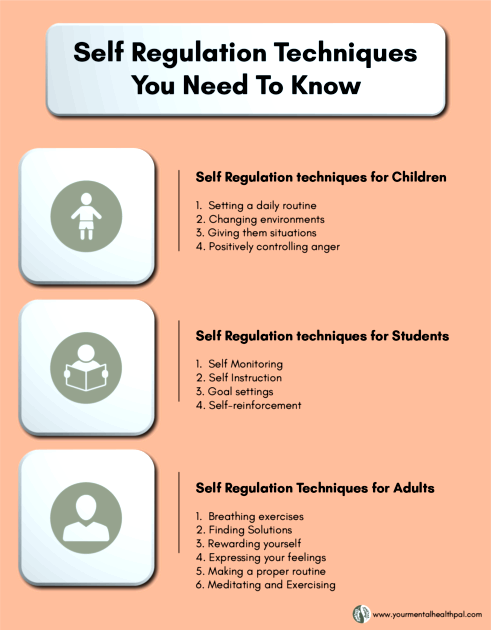
In our daily lives, we encounter a wide variety of emotions and internal noise that can affect our behavior and quality of life. When dealing with feelings of anxiety, nervousness, insecurity, or any other negative emotion, it is important to learn self-regulation techniques and self-calm strategies to effectively cope with these challenges.
Self-regulation techniques are based on mindfulness and regular practice of emotional regulation. This approach aims to understand emotions and learn how to manage them in a healthy and constructive way. Through daily practice of self-regulation, we can strengthen our ability to cope with difficult emotions and overcome them efficiently.
In addition, self-calm strategies may include physical activities such as yoga practice or running, deep breathing methods, and positive thinking and thought regulation techniques. Each of these can help calm internal noise and strengthen our ability to maintain peace and tranquility during times of stress and tension.
In conclusion, coping with emotions and inner noise is a constant challenge in our daily lives. With the help of self-regulation techniques and self-calm strategies, we can effectively cope with these challenges and create less stressful lives filled with calmness and tranquility.
The Influence of Internal Communication on Inner Calmness