Emotional Support and Crisis Prevention
Emotional support and crisis prevention are integral parts of the process of self-understanding and healing. Throughout our lives, we may experience emotions and thoughts that can lead us to mental crises. Who among us has not experienced moments of insecurity, fear, or inability to cope with certain situations?
In those moments, it is important to remember that there are places and people who can provide us with the necessary support and help. We can turn to a psychologist, a mental health counselor, or even a close friend who can be a partner in the healing and self-understanding process. Communication and collaboration with someone else can be very helpful in times of mental distress.
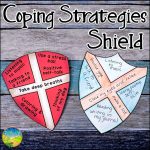
Also, it is important to remember that crisis prevention is a crucial part of the self-understanding process. We need to be attentive to our emotions and thoughts, and take care of them while they are still in early stages to avoid mental crises.
Engaging in exercises such as meditation, yoga, or journaling may help us cope with feelings of insecurity and prevent mental crises in the future. It is important to maintain a good relationship with ourselves and take care of our emotional and mental needs in a proper and healthy way.
In conclusion, emotional support and crisis prevention are integral parts of the process of self-understanding and healing. It is important to remember that there are places and people who can help us in times of mental distress, and that we need to be attentive to our emotions and thoughts in order to prevent mental crises in the future.
Dealing with Trauma and Emotional Coping
Trauma is a feeling of insecurity and helplessness that arises from a traumatic event we have experienced. Dealing with trauma is a complex process that requires time and effort. The importance of dealing with trauma lies in the ability to cope with the various stages of trauma and release the negative emotions that have developed due to the traumatic event.
Self-learning and healing are processes that require perseverance and great effort
Idit Cohen – Psychotherapist
Emotional coping is a process in which we deal with our emotions actively. Emotional coping can include activities such as relaxation exercises, art therapy, and conversations with a specialist. During the process, we learn to identify our emotions, understand them, and manage them in a healthy and empathetic way.
Dealing with trauma and emotional coping are integral parts of the process of self-understanding and healing. When we deal with the trauma we have experienced and work with our emotions, we allow ourselves to develop and overcome the challenges in our path. With psychological tools and emotional processes, we can start releasing the trauma and begin the path to healing and renewal.
Recovery After a Violent Incident or Emotional Injury
Violent incidents or emotional injuries can have a significant and dangerous impact on a person’s life. Recovery after such an incident is a complex process that requires not only time but also professional counseling and assistance. In this article, we focus on recovery after a violent incident or emotional injury, and ways to cope with the complex phenomenon that requires special treatment.
Recovery after a violent incident or emotional injury starts with understanding the event and recognizing that the incident affected the lives of the victims in ways that may not always be immediately apparent. This importance is based on a deep understanding of a complex social phenomenon that requires sensitivity and willingness to help the victims cope with their difficulties.
During the recovery process, it is important to focus on building psychological and emotional tools that will help the victims restore their sense of security and optimism that may have been lost due to the event. This renewal may include psychological counseling, supportive therapy, and guidance on tools for coping with emotional trauma.
Other important factors to focus on in the recovery after a violent incident or emotional injury are building social support and acquiring social skills that will help the victims cope with the event and strengthen their sense of strong social connections.
When we understand ourselves better, we can create the change we want to see in our lives
Aviva Shapira – Healing Guide
Upon completion of the recovery process, it is possible to heal the emotional injury and continue to live positively and aware of the events that have affected us. To succeed in recovery, it is important to seek help from professionals and a support group that will stand by you at every stage of the process.
Strengthening Optimism and Self-Confidence
Optimism and self-confidence are two important components in the path of self-understanding and healing. In the complex world of the counseling industry, it is important to strengthen and develop the ability to believe in yourself and your ability to cope with challenges and difficulties.
Optimism is the positive feeling and motivation to see the good side of life and believe that you can cope with any situation. Optimism helps us cope with depression, anxiety, and stress, and reduces feelings of depression and correction.
Self-confidence is the ability to believe that you can cope with the challenges in your path and that you have the ability to progress and achieve your goals. Strengthening self-confidence leads to active involvement in your life and overcoming obstacles that may arise along the way.
To strengthen optimism and self-confidence, it is important to focus on positivity, focus on your abilities, and appreciate your small achievements. Additionally, it is important to create an action plan and work on improving and personal development.
With the help of professionals in psychology and counseling, you can learn how to strengthen optimism and self-confidence and make positive changes in your life. This process can lead to an improvement in your quality of life and an increase in your psychological well-being.
Development of Emotional and Social Skills
Developing emotional and social skills is an important process on the path to self-understanding and psychological healing. In order to progress in life and cope with various challenges, it is important to have the ability to manage emotions, communicate efficiently with others, and create healthy and peer relationships.
In the modern era we live in, there is a high demand for emotional and social skills. The ability to manage emotions allows us to effectively deal with pressures and not let them control us. Social skills affect our ability to create meaningful and peer relationships and be part of a supportive and identifying social community.
To develop emotional and social skills, it is important to focus on the implementation of effective tools and strategies. Processes like regular sensitivity exercises, working with support groups, and learning communication skills can help improve the ability to manage emotions and create healthy and fulfilling relationships.
Developing emotional and social skills is a long and ongoing process, but it is a crucial foundation for success and well-being in life. By investing in ourselves and developing these skills, we can reach higher levels of self-understanding, peace of mind, and spiritual healing.
Personal growth and healing are processes that never end, and they are an integral part of our lives
Netanel Cohen – Clinical Psychologist
Art Therapy and Creative Healing Programs
The use of art and creativity as tools for psychological healing and self-understanding is a deep and fascinating field that allows a person to expose feelings, ideas, and inner experiences in a unique and fascinating way. Through art and creation, a person can seek solutions and find new ways to cope with challenges and difficulties they may face.
Art therapy and creative healing programs offer unique tools and systems that empower patients to create art and make changes in their lives through creation and artistic expression. Through the operation of these systems, patients can release emotions, expose hidden feelings, and gain a deeper understanding of their emotions and experiences.
Art and creativity allow patients to clarify and find meaning in their lives, create a deep connection with themselves and the external world, and discover new ways to cope with internal challenges and needs. During this process, patients develop, grow, and change their ways in the world, and discover how creation and art can be tools for personal change and growth.
Art therapy and creative healing programs are suitable for people who want to cope with various emotions and mental states and are looking for a new and unique way to express themselves and discover themselves in a new way. Through art and creation, they can find renewal and rejuvenation in their lives, and grow and develop in a unique and wonderful way.