
Guidance Practices and Their Effects
Guidance practices are an integral part of the guidance industry and form the basis for the services provided by highly skilled professionals in the field. They provide tools and methods of guidance that help clients deal with dilemmas, difficulties, and complex challenges. Understanding the different practices and their effects is central to improving guidance processes and developing this field.
Read More

One of the key practices in the field of guidance is active listening. This skill allows guides to deeply understand the needs of the client, set aside their own perspectives and opinions, and focus on the client’s experience. Through active listening, guides can streamline guidance processes and provide quality and efficient service to their clients.

Another practice is building healthy relationships with the client. The ability to create a genuine and empathetic connection with the client enables guides to be supportive and aware of their needs, helping them progress and develop in the right direction. Building healthy relationships contributes to easing the client’s processes of change and development, promoting their success.
Another important practice is creating personalized work plans. Based on the client’s needs and goals, guides create personalized work plans that include clear objectives, defined action steps, and tools and systems for achieving them. These plans provide clients with the knowledge and tools needed to deal with their challenges and progress in the desired direction.
In conclusion, guidance practices are key tools for improving and developing the field of guidance. With their help, guides provide quality and professional services to their clients, helping them advance and develop in life.
The Spread of the Phenomenon of Guidance in Society
The phenomenon of guidance is a complex social phenomenon that influences many in society. It affects not only its clients but also the guides themselves and society as a whole. The spread of the phenomenon of guidance in society occurs due to various reasons and mechanisms, and to understand this, we need to delve into the deep roots of the phenomenon.
One of the main reasons for the spread of the phenomenon of guidance in society is the psychological need of individuals for support and guidance. In the modern world, with its fast pace and high pressure, many feel the need for additional guidance and support to cope with the various challenges they face.
Understanding the reasons and mechanisms of guidance contributes to the creation of an effective and successful implementation of it in various cases.
Prof. Avi Cohen – Specialist in Social and Organizational Psychology
Additionally, another mechanism linking to the spread of the phenomenon of guidance in society is the influence of media and social networks. In the modern digital age, the availability of information and the influence of social networks are diverse and can lead to the growth and spread of the field of guidance throughout society.
In summary, the spread of the phenomenon of guidance in society is a widespread phenomenon that affects many. To better understand the phenomenon and the need for guidance and support, it is important to explore its deep roots and understand the reasons and mechanisms behind it.
The Psychology of the Client and the Guide in the Guidance System
In the guidance industry, the psychology of the client and the guide plays a crucial role in understanding and solving guidance processes. When it comes to the relationship between the client and the guide, it is important to understand the psychological components of each side and the changing dynamics between them.
The client in the guidance process may be in a challenging emotional state and experience feelings of anxiety, pressure, or loneliness. The guide’s ability to understand and deal with the client’s emotions is particularly important in order to create a genuine connection and a good understanding of their needs.
In addition, the guide himself may be in a different emotional state during the guidance process. His ability to manage his emotions and cope with the challenges he faces in the guidance process will affect the quality of service he provides to the client.
Research in the field of guidance allows us to better understand the gaps and needs of different populations in society.
Dr. Noa Levi – Specialist in Social Psychology and Guidance
Therefore, it is important to understand the communication processes and deep understanding between the client and the guide. Active listening and understanding the needs of both sides can lead to successful outcomes and strengthen relationships between them.
In conclusion, the ability to understand and manage the psychological aspects of guidance will enhance the service and help build real and meaningful working relationships between the client and the guide.
The Influence of Culture and Social Trends on the Phenomenon of Guidance
The culture and social trends in the case of guidance are key factors influencing the development and spread of the phenomenon in society. According to numerous studies, we can see how values, ethics, and the way guidance is perceived differ in each culture and community. Each culture and society can define guidance differently, thereby affecting the approach to guidance and the behavior of the community towards this phenomenon.
In different societies, we can see how morals, beliefs, and values influence the development of the phenomenon of guidance. Cultures where guidance is normal and accepted may have a broader acceptance and reception of this phenomenon. In contrast, in cultures where guidance is considered unethical or inappropriate, there may be sensitivity and condemnation of this matter, thus reducing its spread.

Moreover, social trends such as technological advancements and changes in gender relations in society can also influence the phenomenon of guidance. With the development of the Internet and social networks, people can easily find guidance and behave differently than in the past. Additionally, with changes in gender relations and the spread of feminism, women’s abilities to choose independent guidance have increased, impacting the spread of the phenomenon in society.
In summary, we can see how culture and social trends influence the phenomenon of guidance in society. Values, ethics, technology, and gender relations are just some of the factors that need to be considered in order to fully understand this complex phenomenon and its impact on society at large.
Ethics and Morality in the Guidance Profession
The profession of guidance raises and has raised complex ethical dilemmas among the general public. From the psychology of the industry emerges that guidance is a business unit with high intimacy and deep confidentiality, and therefore ethics and morality in this profession pose a significant challenge.
The development of the guidance field requires a combination of theoretical principles with practical knowledge and experience.
Prof. Gil Cohen – Specialist in Clinical Psychology and Guidance
In the guidance profession, it is important to focus on ethics and morality to maintain the proper boundaries between the client and the guide. The role of guidance is not only to provide psychological and emotional support but also to protect privacy and act professionally and respectfully. Additionally, it is important to maintain a sensitivity and not to blur boundaries with the client, while providing effective support and guidance.
The complex profession of guidance requires high professionalism and a great sense of responsibility on the part of the guides. It is important to pause at every situation and act transparently and responsibly, maintaining the professional and ethical requirements. Legal and ethical behavior is central to professional conduct in this field, so it is important to adhere to the regulations and rules of the profession.
In conclusion, ethics and morality in the guidance profession are inseparable from the guidance process, and they form the basis for stability and credibility in guidance relationships. Only by maintaining ethical and moral principles can we build reliable and quality relationships with our clients and ensure the success of the guidance and support we provide to them.

Risk Factors and Policy Considerations in the Field of Guidance
In the field of guidance, there are several sociological, psychological, and economic factors that need to be addressed when it comes to social guidance. Understanding these risk factors allows policies to deal with the field efficiently and professionally.
One of the key factors is social and economic inequality. Some of the people seeking social guidance may come from less updated social and economic backgrounds, thus being at a higher risk of social and psychological deterioration.
Psychological factors can also influence the level of risk in the field of guidance. For example, people suffering from emotional or psychological problems may be at a higher risk of social harm and in need of professional guidance.
Policy considerations include society’s view of social guidance, the establishment of educational and social programs that can reduce the need for guidance, and the implementation of laws and regulations that restrict the use of guidance in cases where it is not absolutely necessary.
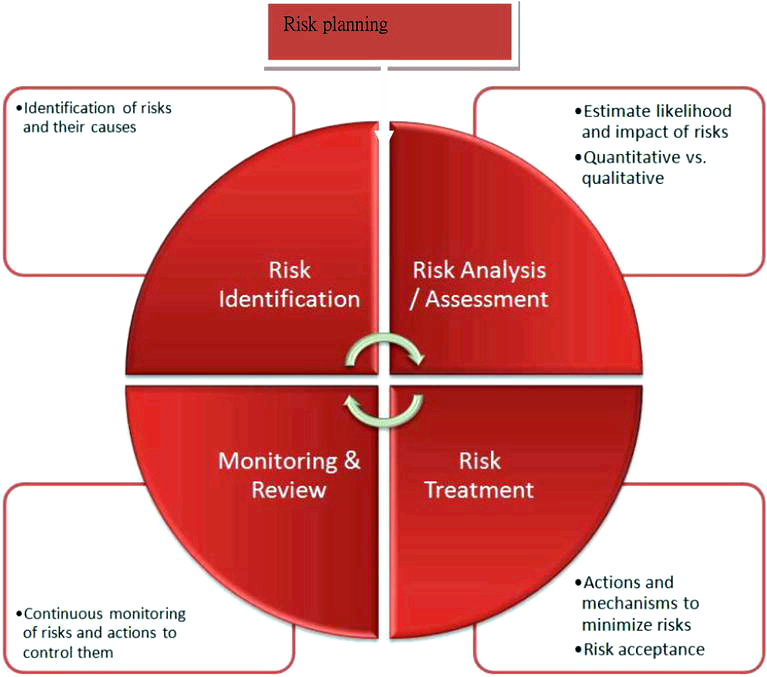
To minimize risks and improve the quality of life of people receiving guidance, it is important to understand the various factors that influence the need for guidance and act accordingly to create a more positive social phenomenon.