1. Feelings and Emotions in the Psychological Counseling Process
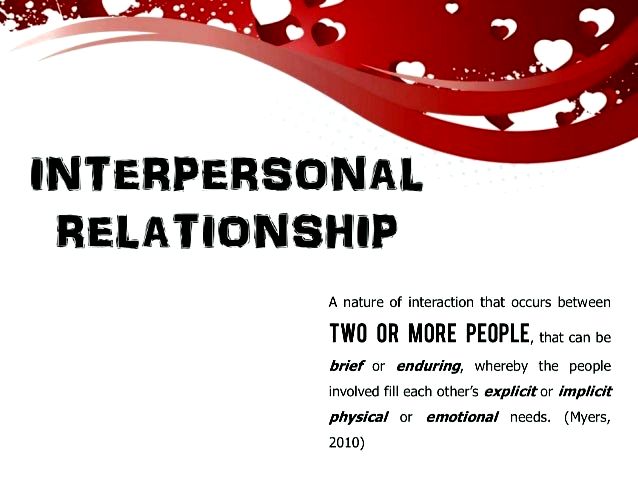
In the psychological counseling process, feelings and emotions play an important role in the relationships between the individuals involved. In order to better understand the process and the complex social system in which it occurs, it is important to delve into the feelings and emotions that arise in people during counseling.
Read More
Feelings and emotions that arise during counseling can be diverse and highly variable. Therefore, it is important to understand how these feelings influence the process and its outcomes.
The feelings that arise during counseling can be positive or negative. Great importance is given to the possibility of creating a positive connection between counselors and clients and to the influence of the feelings of security and trust in the process.
Additionally, feelings of insecurity, fear, nervousness, or anger may arise during counseling and negatively impact the process. Significant importance is given to dealing with negative emotions and improving the process through psychological tools and emotional manipulations.
Ultimately, understanding and focusing on the feelings and emotions that arise during psychological counseling can improve the quality of relationships between counselors and clients, ensuring positive and meaningful outcomes from the process.
Influence of Personal Relationships on the Therapeutic Process
Personal relationships between the therapist and the client are a cornerstone of the therapeutic process in the field of psychological counseling. Numerous studies have shown that the personal relationship between the therapist and the client can improve the outcomes of therapy and ease the client’s coping process with their mental challenges.
During psychological counseling, the therapist serves as a guide, teacher, and supporter to the client. The personal relationships that develop between them influence the therapeutic process and its outcomes. Positive and constructive relationships can help the client feel secure and supported, strengthening their confidence in themselves and their ability to improve their mental state.
The ability to understand and connect with the emotions of others is key to success in counseling
Prof. David Cohen – Director of the Institute for Psychological Studies
Conversely, negative or unconstructive relationships may disrupt the therapeutic process and cause the client to feel unheard and misunderstood. This is because personal relationships influence the client’s sense of trust and confidence in the therapist, as well as the level of openness and transparency between the parties.
Reliability and transparency in relationships are the foundation for building effective communication channels
Dr. Naomi Galboi – Psychology Lecturer
In conclusion, personal relationships between therapists and clients are a central factor in the therapeutic process in the field of psychological counseling. Each side can improve relationships and build a constructive and beneficial connection that helps enhance the quality of life and mental well-being of the client.
3. The Therapist’s and Client’s Function in the Relationship System
The therapist in the counseling field plays an important role in building and maintaining relationships with their clients. They need to be stable, pleasant, and professional to create a safe and professional environment for treatment. The therapist needs to be sensitive to the client’s needs and transcend their personal biases to understand and support them in the best possible way.
The relationship system between the therapist and the client is dynamic and variable. It depends on the therapist’s level of reliability and honesty, and their ability to cope with difficulties and challenges that may arise during treatment. The therapist also needs to be flexible and willing to change their approach to adapt to the client’s needs.
Additionally, the therapist must maintain clear boundaries in their relationship with the client. They need to understand their boundaries and uphold them at all times to maintain the client’s sense of trust and confidence in them. Also, it is important for the therapist to deal with their emotions and not project them onto the client in a way that could harm them.
At the end of each treatment, it is important for the therapist to meet the client in a transparent and known manner to summarize the treatment and understand the results and changes that have contributed to them. A positive outcome of the relationship system between the therapist and the client can lead to an improvement in the client’s quality of life and the success of the treatment in general.

4. Developing Relationship and Communication Skills in Psychological Counseling
In the field of psychological counseling, it is important to develop effective relationship and communication skills between the counselor and the client. The ability to create a warm and empathetic connection with the client is the basis for a successful counseling process. This process requires the counselor to be sensitive to the client’s emotions and needs and to understand how to create the necessary security environment to allow the client to develop and grow.
As part of the learning process in psychological counseling, it is important to develop proper relationship and communication skills. The counselor needs to know how to listen attentively to the client, understand their needs, and tailor the options according to those needs.
Developing relationship and communication skills in psychological counseling allows the counselor to positively influence the client, build a genuine connection, and assist the client in their personal and professional development.
Ultimately, relationship and communication skills in psychological counseling are essential tools for the success of the counseling process and for improving the client’s quality of life.
Psychological Dialogue and Processes of Change in Personal Relationships in Counseling
Psychological dialogue and processes of change in personal relationships in counseling are an integral part of the research and deep understanding of this complex social phenomenon. Personal relationships in counseling reflect the components of the psychological dialogue between counselors and clients, and the processes involved in the change and development of relationships during counseling.
The psychological dialogue between counselors and their clients influences the level of trust and success in counseling processes. Through conversation, listening, and shared understanding, counselors can create a genuine and deep connection with their clients and assist in their understanding of the change processes they undergo during counseling.
The processes of change in personal relationships in counseling include the development of trust, sensitivity to the needs and desires of the client, and the ability to adapt services and support according to the client’s changing needs. Through these processes of change, counselors can help their clients to develop, overcome challenges, and achieve their goals efficiently and professionally.
Deep understanding and listening are important tools for the success of the counseling process
Dr. Abigail Levy – Specialist in Educational Psychology
In summary, psychological dialogue and processes of change in personal relationships in counseling are an important and inseparable part of the overall process of counseling and support provided to clients. Through conversation, understanding, and professional support, impressive and meaningful personal and social development is possible for the clients of counselors.