
Psychological Factors of the Escort Phenomenon
The escort phenomenon is a complex field within the realms of psychology and sociology. Psychological factors significantly influence the development and operation of this field, serving as a key factor in deepening the understanding of the phenomenon.
Read More

The psychological understanding of escorting may encompass the psychodynamic perspective of the phenomenon. Within this framework, subconscious and unconscious mental processes, psychological needs, and the influence of environmental conditions on human behavior interact to create a comprehensive and deep image of the psychological system behind escorting activities.
Additionally, psychological factors can be examined in terms of cognitive processes, emotions, and behavior of individuals in various escort scenarios. Coping with complex social realities, fears, feelings of loneliness or detachment, and the influence of societal psychological models on how people access escort services—all of these are factors that may be subject to in-depth analysis of the phenomenon.
In summary, psychological factors of the escort phenomenon are an inseparable part of understanding and researching the field. They provide a translation of the social and psychological reality of individuals using these services, allowing us to deepen our understanding of the societal and psychological gaps between this reality and its perception by the wider public.
Sociological Factors of the Escort Phenomenon
The escort phenomenon is a complex social phenomenon at the core of psychology and sociology. It significantly impacts society and varies according to different sociological factors. Additionally, sociological factors affect the nature of escorting, market demands, and industry centers.
Escorting influences human thinking and behavior, requiring an in-depth analysis of its actions.
Prof. Yossi Cohen – Social Psychologist
One factor influencing the escort phenomenon is the economic reality of society. Economic fluctuations may lead to changes in the escort industry, such as increases or decreases in escort fees. Additionally, the economic security of the population may impact the demand for escort services.
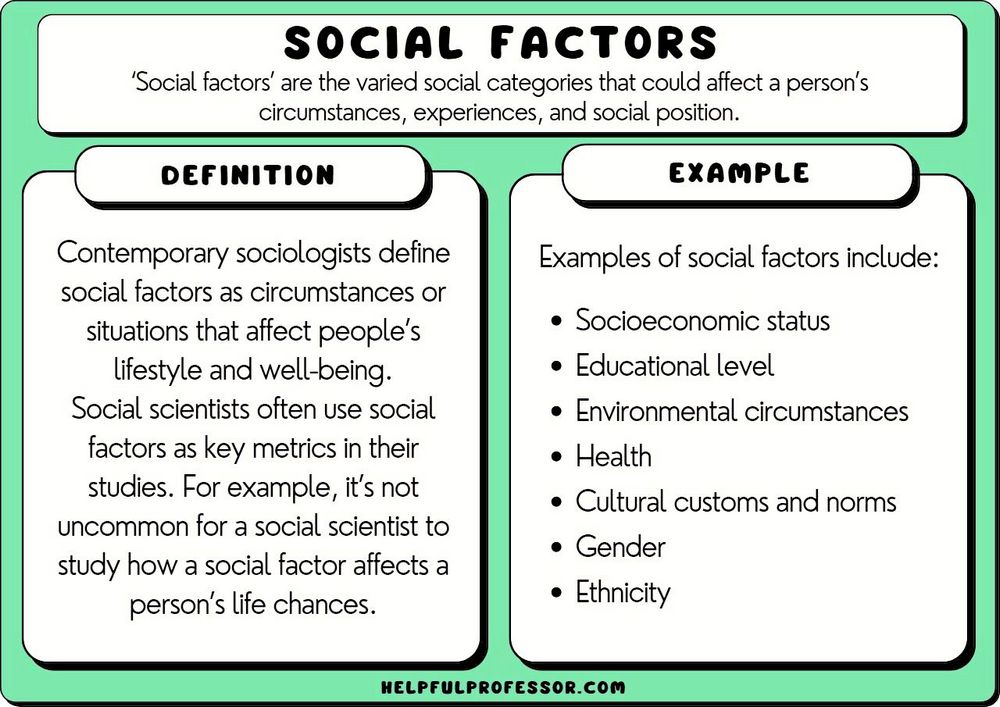
Another factor influencing the escort phenomenon is the societal and cultural context. Social values, cultures, and societal institutions influence the need and desire for escort services. Moreover, the demand for escorting may change according to societal and cultural shifts.
Another factor influencing the escort phenomenon is the society’s system of values and beliefs. Perceptions and beliefs about escorting may impact the use of these services and the limitations imposed on them. Concurrently, psychological and social factors can influence the recognition of the phenomenon and the management of the escort system.
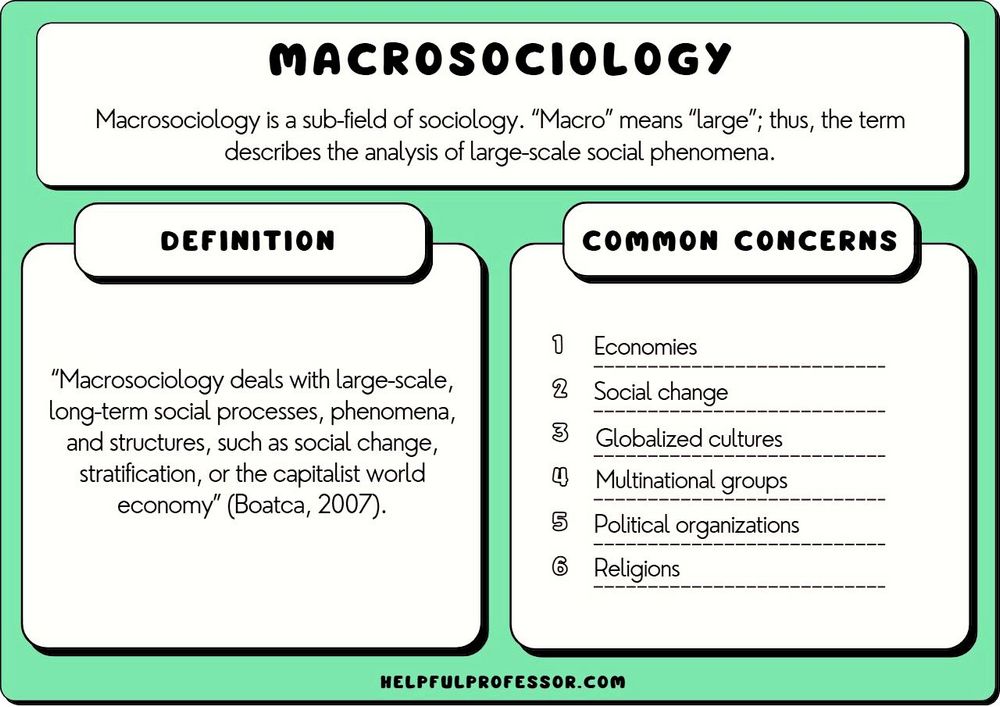
In conclusion, the perception and usage of escort services are determined by various sociological factors. Understanding and focusing on these factors are crucial for developing the structure of escort services and comprehensively understanding the escort phenomenon.
The psychology of escorting offers important insights into the emotional and mental processes between the client and the escort.
Dr. Naomi Cohen – Educational Psychologist
The Influence of Culture and Society on the Escort Phenomenon
The escort phenomenon is a complex social phenomenon examined by scholars in the fields of psychology and sociology. Culture and society deeply influence the development of this phenomenon and significantly impact the individuals involved in it.
Culture is a complex system of values, ethics, religion, and beliefs passed down through generations that influence people’s behavior and perceptions. In certain cultures, uniqueness and social expectations may influence how people define and position themselves within the escort phenomenon.
Society, on the other hand, consists of various social groups that influence their culture and the behavior of individuals. Social processes such as power relations, society, and economics may influence the development of the escort phenomenon and how it evolves within this social environment.
When discussing the influence of culture and society on the escort phenomenon, it is important to understand the societal and cultural background in which it develops. Culture and society offer a broad framework of values, expectations, and social models that may deeply and centrally influence the development of this phenomenon.
Therefore, the importance of culture and society’s influence on the escort phenomenon is central to research and understanding this phenomenon. Only through an in-depth analysis of the cultural and societal background in which this phenomenon develops can we fully and deeply understand the components influencing it and develop tools to address and treat this phenomenon effectively.
Comparative Studies Across Countries on the Escort Phenomenon
The phenomenon of escorting is one of the most interesting research areas in psychology and sociology. In this article, we examine and compare the various research investigations conducted in different countries worldwide on this subject.
Research in this field highlights the differences and similarities between various cultures and social systems. Each country and culture has its humanistic and optimistic approach to dealing with the escort phenomenon, as well as its way of coping with the challenges it presents.
In research conducted in different countries, it is found that approaches and treatments in the escorting field can vary according to local needs and cultures. Therefore, it is important to compare and analyze the findings from research to understand the challenges and opportunities in treating the escort phenomenon.
Research plays a crucial role in understanding the core of the phenomenon, identifying the factors influencing it, and developing tools and techniques for effective treatment in the escorting field. Only through comparing research from around the world can we gain a comprehensive and extensive understanding of the phenomenon and develop efficient solutions tailored to the needs of the local population.
Development and Changes in the Escort Phenomenon Over Time
The phenomenon of escorting is a field where researchers engage in numerous and diverse studies to comprehend its psychological and sociological implications. In this article, we focus on analyzing the development and changes in the escort phenomenon over time, presenting new research and insights on the subject.
When discussing the development of the escort phenomenon, it is important to remember that it is an inseparable part of the society and culture we live in. The social system influences our behaviors and our needs from escorting, so it is important to examine how this changes over time.
Over the years, it can be seen that the escorting phenomenon has undergone significant changes. In the past, escorting was understood in different ways than today, and it was accepted in various forms within the community. However, with the development of society and technology, the nature of escorting and its role in our lives has evolved.
In recent research in the field, we can see how digital platforms and social networks influence the relationships between clients and escorts. Additionally, we can observe how developments in social trends and personal needs impact the services offered by escorts and how they are implemented.
Therefore, to understand the escorting phenomenon deeply, it is crucial to examine how it changes and evolves over time. Only by analyzing the history and trends in the field can we understand the challenges and opportunities awaiting the escort industry in the future.
The sociology of escorting provides a deep understanding of the social and cultural relationships within the industry.
Prof. Avi Levi – Cultural Sociologist