
1. Identification and Understanding of Personal Challenges
Coping with challenges and coping with difficulty are an inseparable part of our daily lives. Every person faces different difficulties and challenges throughout their life, and the ability to cope with them and overcome them is the key to personal progress and development. In this article, we focus on the identification and understanding of the personal challenges that everyone may have to face, and distinguish between physical, emotional, and mental challenges.
Physical challenges may include health problems, physical injuries, or any situation where the body is directly affected. Coping with physical challenges may require professional medical treatment, so it is important to recognize and understand these challenges well in order to treat them individually.
Emotional challenges may include depression, anxiety, nervousness, and more. Coping with emotional challenges can be complex and difficult, so it is important to seek help and support from a mental health professional to cope with these challenges.
Mental challenges may include learning difficulties, memory issues, concentration problems, and more. Coping with mental challenges may require support and adoption of methods and tools to improve mental abilities.
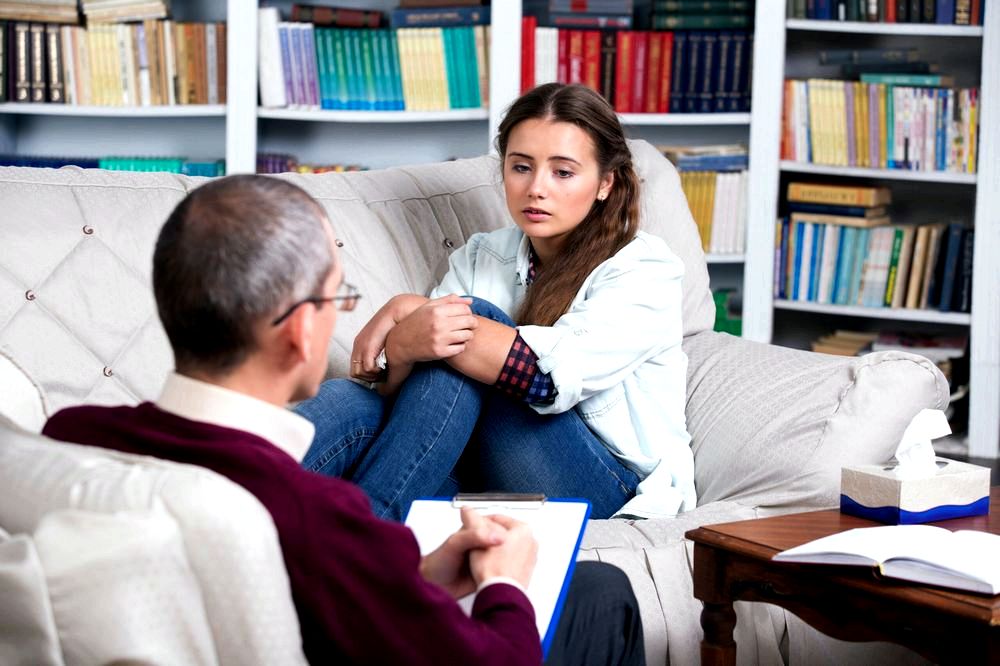
In summary, the identification and understanding of personal challenges are an important first step in coping with the difficulties we face. We must recognize and understand the physical, emotional, and mental challenges we may encounter, and seek personalized ways to cope and overcome them.
The only change we can be sure of is the change itself.
Herman Hesse – Philosopher
2. Analysis and Evaluation of Sources of Difficulty
In analyzing and evaluating the sources of difficulty, we think about the challenges that lead to difficulties in life and how we cope with them. Sources of difficulty can be physical, emotional, or mental. Positive thinking and solutions can help us cope with challenges and strengthen our ability to cope with difficulties.
Coping with difficulties requires flexibility and the ability to adapt to different situations. Positive thinking can help us see challenges as opportunities for learning and personal growth.

Sometimes we need to use psychological tools to cope with difficulties. This may include psychological therapy, mindfulness practice, or consultations with a specialist. Psychological counseling can be particularly effective when dealing with deep emotional difficulties or when difficulties impact our daily lives.
Evaluating the sources of difficulty can help us understand which challenges we face and how we can solve them. We need to understand our perspectives, our models, and the methods by which we cope with difficulties. Identifying and understanding the sources of difficulty may lead to an improvement in our coping abilities and a reduction in stress and tension in our lives.
If you focus only on difficulties, you will lose the power to see opportunities.
Wayne Dyer – Author
3. Psychological Recovery Processes
Coping with challenges and coping with difficulty are an inseparable part of our lives. In the modern world we live in, we encounter a wide variety of difficulties and challenges that require us to cope actively and healthily. In order to effectively cope with the various difficulties that may arise in our lives, it is important to understand and recognize the psychological processes that may occur during the psychological recovery process.
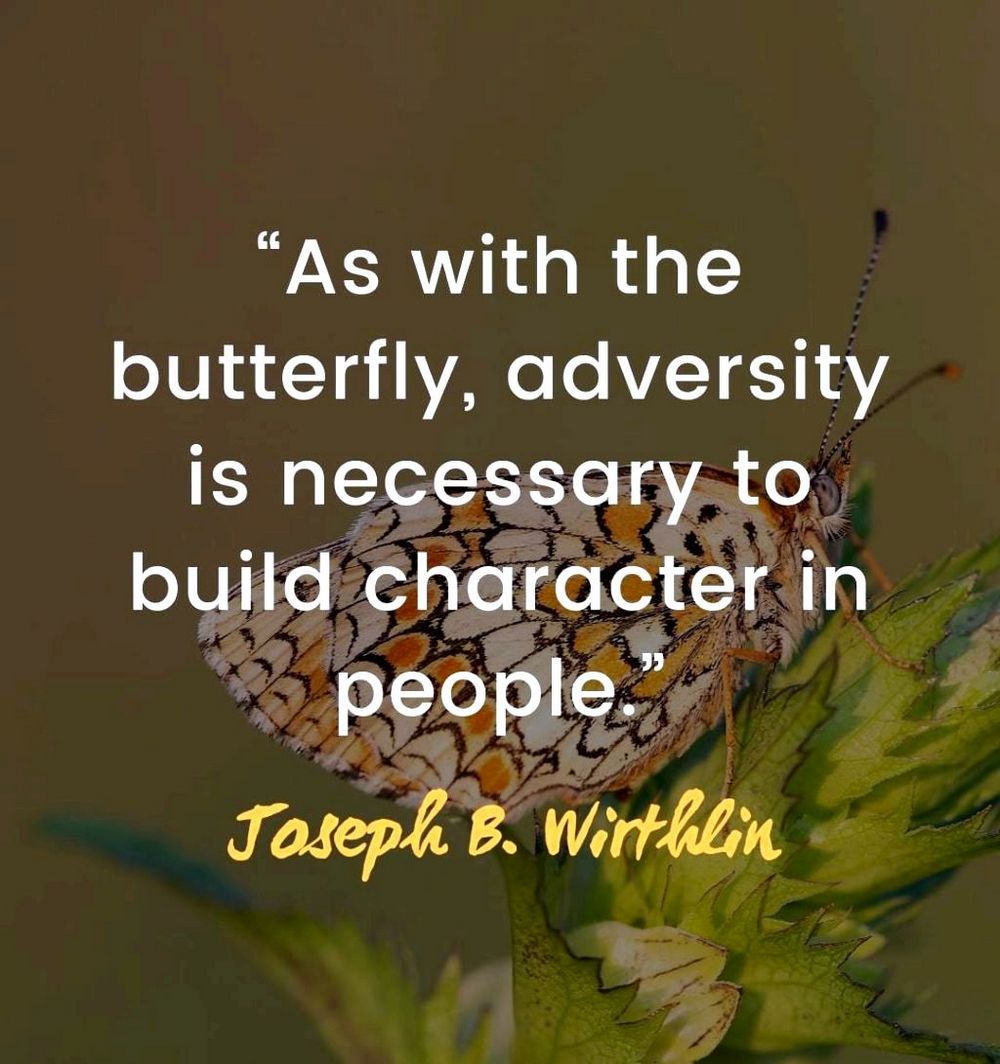
The psychological recovery process is a complex process in which a person copes with difficulties and challenges that have occurred in their life. During this process, the person may experience a wide range of feelings and thoughts that may be distressing and difficult to handle. In order to cope effectively with the psychological recovery process, it is important to understand and identify the various stages that may occur during the process and learn how to deal with them efficiently and healthily.
In this article, we will review a variety of psychological recovery processes that may occur during coping with challenges and difficulties. We will examine the different components of the psychological recovery process and provide tools and strategies for coping effectively with the various challenges that may arise during the process.
4. Developing Tools for Coping with Challenges
When we face challenges in our lives, it is important to be prepared and ready to cope with the difficulty. Coping tools may vary and need to be tailored to each individual uniquely. By developing these tools, we enable ourselves to cope effectively and healthily with the challenges that may arise in our lives.
Here are some tools that can help us cope with challenges:
- Coping Skills Training: Practice and training in coping with difficulties may ease the coping processes and make you more resilient.
- Emotional Resilience: Coping with emotions and learning to manage them efficiently may ease coping with emotional challenges.
- Planning and Organization: Creating plans and schedules allows us to cope in a complex and organized way with our challenges.
- Social Support: Receiving support from those around us may ease coping with difficulties and strengthen our feelings of security and peace.
In the end, the ability to cope with challenges depends on our ability to develop unique and effective tools that will help us cope with any difficulty that stands in our way. With these tools and support from our environment, we can cope positively and successfully with the challenges in our lives.
The Influence of Personal Coping on Social Performance
Coping with challenges and coping with difficulty are an inseparable part of our lives. How we cope with the difficulties that come our way can judge our social performance. Some people cope with their challenges positively, while others struggle to cope with their situations. According to research, personal coping can directly influence a person’s social performance.
When a person copes positively and efficiently with their challenges, they can feel more self-assured, increase their confidence, and develop social and personal skills. When a person successfully copes with their difficulties, they feel ready to cope with social processes and be an active and constructive part of their community.
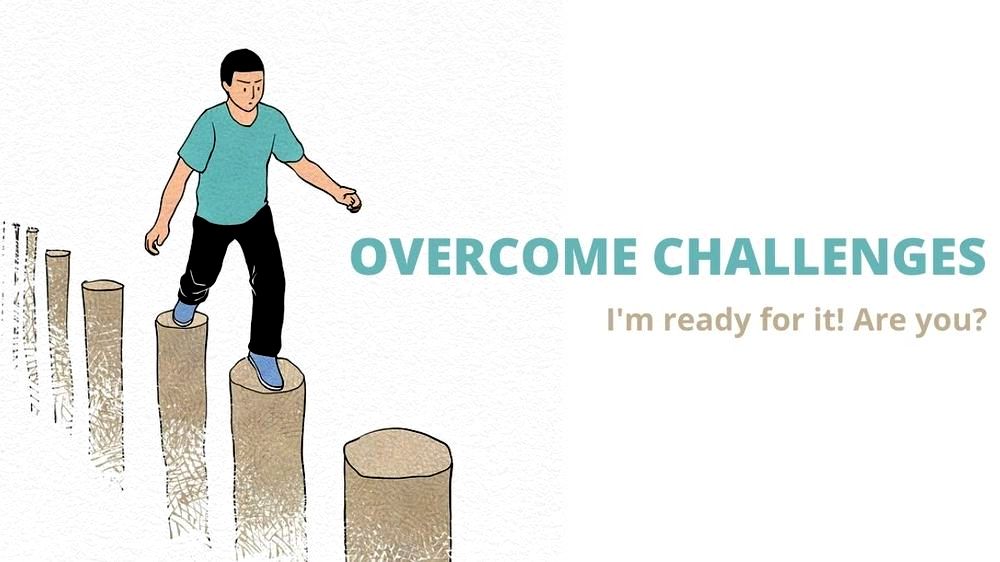
On the other hand, when a person encounters difficulties that they cannot cope with effectively, they may experience a kind of failure and self-correction. Ineffective coping with challenges may lead to low self-confidence, social isolation, and an inability to integrate well and healthily into the community.
Therefore, it is important to understand that personal coping with our challenges can judge our social performance. We must cope with the challenges that come our way in a positive manner and seek ways to solve them effectively and healthily. This way, we can strengthen ourselves and our social connections and be a part of a supportive and social community.
Self-trust is the key to coping effectively with any challenge.
Maria Roberts – Language Teacher