1. Analyzing Personal Trauma and Loss
Trauma and loss are phenomena that cause emotional pain and a pursuit of meaning in life. These factors can significantly impact the affected individual, both physically and mentally. In an attempt to cope with the difficult challenges of trauma and personal loss, it is important to conduct a thorough analysis of the emotional and mental cycle of the individual.
During the analysis, it is important to understand the various stages of the trauma and personal loss process. Moments of trauma can be very critical in a person’s life, so it is important to approach them with sensitivity and understanding. Additionally, it is important to understand the stages in which the individual copes with personal loss, and how they influence the emotional and psychological process of the individual.
The analysis may include various processes, such as interviews with trauma and personal loss patients, working with support groups, and psychological therapy and family therapy methods. Through the analysis, it is possible to identify the personal needs of each individual and assist them in coping with the challenges of trauma and personal loss.
In conclusion, analyzing trauma and personal loss is an important process in coping with the emotional and psychological challenges of trauma and loss. By understanding the stages and personal needs of each individual, it is possible to help them cope with the challenges and overcome trauma and personal loss in a healthy and successful way.
How to Deal with Feelings of Loss and Trauma
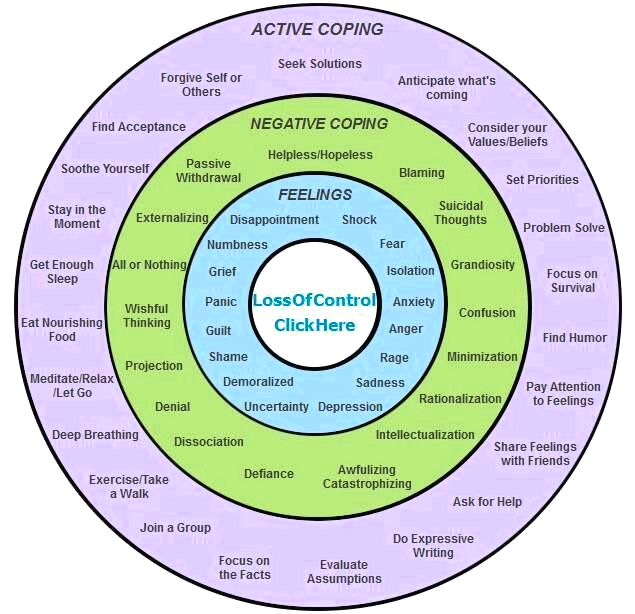
Coping with loss and trauma is an inseparable part of our lives. How can we deal with such feelings and overcome them? There are several ways that can help us cope in a healthy and successful manner:
There is no magic solution to trauma, but support and conversation with a professional can be an important healing process.
Dr. Shira Levi – Psychotherapist
1. Accepting Feelings: It is important not to ignore our feelings of loss and trauma. We must overcome the need to ignore or suppress them and instead accept them and understand that they are an inseparable part of our lives.
2. Communication and Support: It is important to share our feelings with others. Talking to friends, family, or a professional like a psychologist can help us cope with our loss and trauma in a healthy and constructive way.
3. Relaxation and Persistence Practice: Relaxation and persistence practice can be an effective tool for coping with feelings of loss and trauma. Practices like yoga, meditation, and other tools can help calm the mind and deal with our difficult feelings.
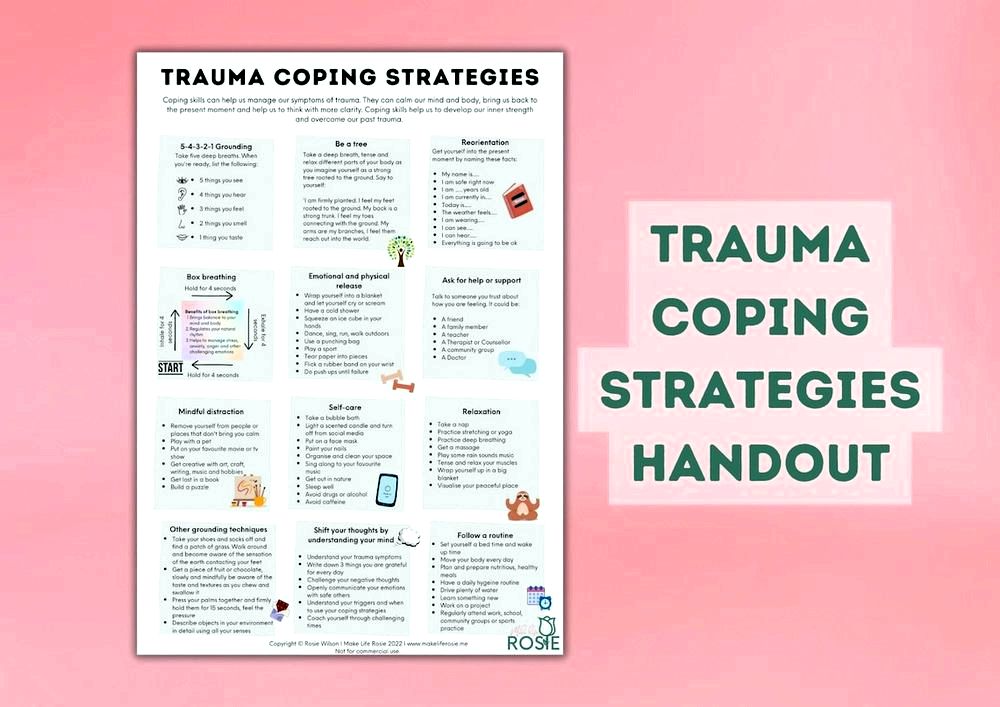
4. Physical Activity: Physical activity can help release feelings of loss and trauma. Activities like running, swimming, or any other form of physical activity can ease our pressure and tension.

At the end of the day, it is important to remember that coping with loss and trauma is a long and complex process, and each one of us may cope in a different and unique way. We need to listen to ourselves, take the necessary time, and take care of ourselves during this difficult and challenging process.
Tips for Emotional and Psychological Recovery
1. Setting Boundaries: It is important to learn to say “no” and protect yourself from overwork or unreasonable demands.
When we receive emotional and professional support during coping with trauma, we can strengthen the feeling of security and develop as individuals.
Psychologist/Therapist – Trauma Specialist
2. Taking Time for Yourself: It is important to dedicate time to activities that give you pleasure and joy, such as culture, sports, or spiritual activities.
3. Maintaining Movement: Physical activity can help release endorphins and improve the mental state.
4. Listening to Moments of Relaxation: Try to find time for moments of quiet and relaxation, such as meditation or breathing exercises.
5. Seeking Professional Help: If your emotional and mental state requires professional help, do not hesitate to turn to a psychologist or mental health professional.
Guidelines for Coping with Trauma and Loss in the Workplace
1. Understanding and Accepting Feelings – It is important to understand and accept your feelings and those of others in the workplace. This may include assigning roles or having open discussions about the challenges that arise.
2. Creating Support – It is important to feel supported and support other employees in the workplace. This may include creating a supportive team and fostering a sense of security and collaboration.
3. Time and Pressure Management – It is important to manage time efficiently and learn how to deal with stress in the workplace. This may involve creating schedules and task distribution in a good manner.
The ability to cope with trauma depends on the ability to understand and recognize our feelings and needs during difficult times.
Dr. Yael Raz – Psychotherapist
4. Self-Care – It is important to remember to take time for yourself and attend to your personal needs. This may involve taking short breaks during the day and engaging in calming activities.
5. Turning to an Expert – In the case of trauma or loss in the workplace, it is important to turn to a psychological professional or specialized therapist for help and support.

Supporters and Bearers of Hope: How to Find Help in Difficult Times
When a person faces loss or trauma, circular thinking and feelings of sadness and insecurity may take hold of them. During such times, it is important to focus on finding support and external help to help cope with the crisis and start the recovery process.
Research shows – people who receive support and help from their surroundings cope better with the psychological challenges they face. Therefore, it is important to know how to find the right supporters and use the bearers of hope around you.
Finding help in difficult times may be challenging, but it is essential for the recovery process. The starting point may be within family and close friends, who can provide support and help in difficult times. It is also possible to turn to professionals such as psychologists or trauma specialized therapists.
Equally important is to participate in the community and join support groups and discussions on topics related to loss and trauma. In such a community, you can find people who have experienced similar things and share and exchange ideas and emotions.
Ultimately, it is important to remember that there is no need to cope with the psychological challenges alone. External support can be the cornerstone that helps you go through the recovery process efficiently and healthily.