
Challenges in Developing Emotional Understanding
Developing emotional understanding is a complex process that integrates into the world of psychology and psychological industry. This article focuses on the main challenges encountered in the trend of emotional understanding development in the current knowledge base.
One of the key challenges in developing emotional understanding is the ability to identify deep emotions and understand their influence on a person’s behavior. Emotions like fear, anxiety, self-confidence, and love can impact all coaching work and enhance the healing and personal growth processes of the client.

The second challenge is the client’s data security and privacy. In an era where privacy is a significant value, it is important to develop tools and techniques that protect the client’s emotional information and allow them to feel secure in their coaching relationship.
The third challenge is understanding the client’s emotional difficulties. Many clients come with deep and complex emotional challenges, and it can be difficult to understand and deal with the client’s uncomfortable emotions.
In summary, developing emotional understanding is a fascinating and daunting challenge that requires knowledge, tools, and deep understanding of the person and their emotions. Only through hard work and perseverance can we overcome these challenges and improve the quality of coaching and treatment we offer to our clients.
Emotional understanding has a fundamental effect on the human brain and nature.
Prof. David Cohen – Expert in cognitive neuroscience
The Great Potential of Emotional Understanding
Emotional understanding is a significant tool for understanding the social and psychological phenomena in the coaching industry. Emotions deeply influence our actions, reactions, and behavior in general. Therefore, the importance of emotional understanding is particularly crucial for psychology and coaching professions.
Emotional understanding allows us to comprehend the human soul in a deeper and more complex way. Through understanding our emotions, we can identify trends, processes, and social interactions through which we operate. Additionally, emotional understanding helps us cope with states of calm, stress, and anxiety.
With psychological tools and special processes, we can develop the ability to understand emotions and manage them in a healthy and constructive manner. This ensures efficient and successful coaching and psychological work.
With a professional and precise approach, impressive results can be achieved in developing emotional understanding. The importance of emotional understanding in the coaching industry is indisputable, and therefore, we must invest efforts in developing this skill in the field of psychology and coaching.
Methods for Developing Emotional Understanding
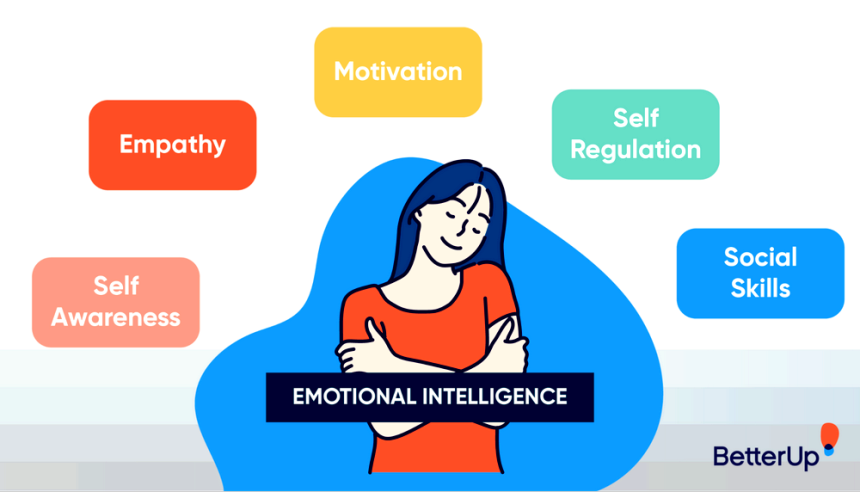
Emotional understanding is a crucial ability that influences our quality of life and our ability to communicate with others. Developing emotional intelligence can lead to improvements in managing emotional states, understanding how others around us feel, and enhancing our ability to communicate effectively on various emotional issues.
Emotional understanding affects social processes such as communication and personal relationships.
Dr. Rebecca Cohen – Instructor in communication courses
To develop this ability, several methods can be helpful.


- Being aware of our emotions – It is important to understand what we are feeling and why. This can assist in understanding emotional needs and preventing inappropriate emotional responses.
- Engaging in ways to reduce stress levels – Stress and anxiety can hinder emotional understanding. Practices like deep breathing and yoga can help reduce stress levels and improve the ability to understand emotions.
- Communicating with others – Communication with others about emotions and feelings can aid in understanding emotions, both ours and others.
- Learning cognitive techniques – Techniques like mindfulness and self-awareness can help in developing emotional understanding and improving the ability to manage emotions in a healthy way.
In conclusion, developing emotional intelligence is a process that requires hard work and perseverance but can assist in improving the quality of life and communication with others. We must invest in this development and use the right tools to progress in this process.
The Influence of Environment on Our Emotional Understanding
The environment in which we grow and live greatly influences our emotional understanding. Numerous studies have shown that social, cultural, and personal factors in our environment can shape how we deal with different emotions.
Our emotional understanding is related to models and patterns established by the society in which we live. Culture, religion, social institutions, and family form the basis for our understanding of emotions and our ability to manage them properly.
The external environment can also affect how we deal with difficult emotions and emotional challenges. Educational processes, social influences, and cultural models can create difficulties in our understanding of emotions and our ability to manage them in a healthy and proper way.
Therefore, it is important to understand that developing emotional understanding is a complex process that combines psychological, social, and cultural factors. We must be aware of the influence of the environment on us and learn how to identify, understand, and manage emotions in a proper and healthy way.
Challenges and Opportunities in the Age of Advanced Technology
The modern era we live in brings new challenges and future opportunities in the field of developing emotional understanding. With the rise of new technologies, such as smart life devices and artificial intelligence, new possibilities have opened up for researching and understanding our emotions.
One of the main challenges in the age of advanced technology is the use of big data and online information to analyze emotions. This powerful tool can help us identify and understand emotions through automatic search and statistical analysis of vast amounts of data.
However, with the use of this technology, new challenges also emerge. Exposure of privacy, misunderstanding of the relationship between data and emotions, and dealing with analysis errors can be obstacles in developing emotional understanding in this era.
Fortunately, along with challenges, opportunities are also revealed. The use of advanced technology allows for deeper and more precise investigation of emotions and can even assist in developing new tools and techniques for treating emotional issues.
Emotional understanding may be central to social and psychological research.
Prof. Yaakov Levi – Director of Social Research Institute

Thus, in the age of advanced technology, we have dozens of new opportunities for developing emotional understanding and understanding emotional processes and behavior in a more precise and deeper way than ever before.