
1. Developing Professional Skills in the Coaching Industry
Developing professional skills is an important part of the psychological self-improvement process in the coaching industry. Professional skills change and evolve over time, so it is important to always be ready to upgrade and improve them. To be a professional in the coaching field, one must be skilled in communication, leadership, problem-solving, and more.
Developing professional skills also includes acquiring the knowledge and technical skills required to perform tasks in a professional and efficient manner. When successfully developing and improving professional skills, higher levels of performance and success in work can be achieved.
Personal and professional improvement require perseverance and dedication
Miriam Shapira – Career Consultant
In the coaching industry, it is important to also consider the development of soft skills such as the ability to cope with pressures and stress, time and resource management, quick learning and adaptation in complex situations, and more. Developing these skills can lead to improved performance and increased satisfaction of both clients and employees.
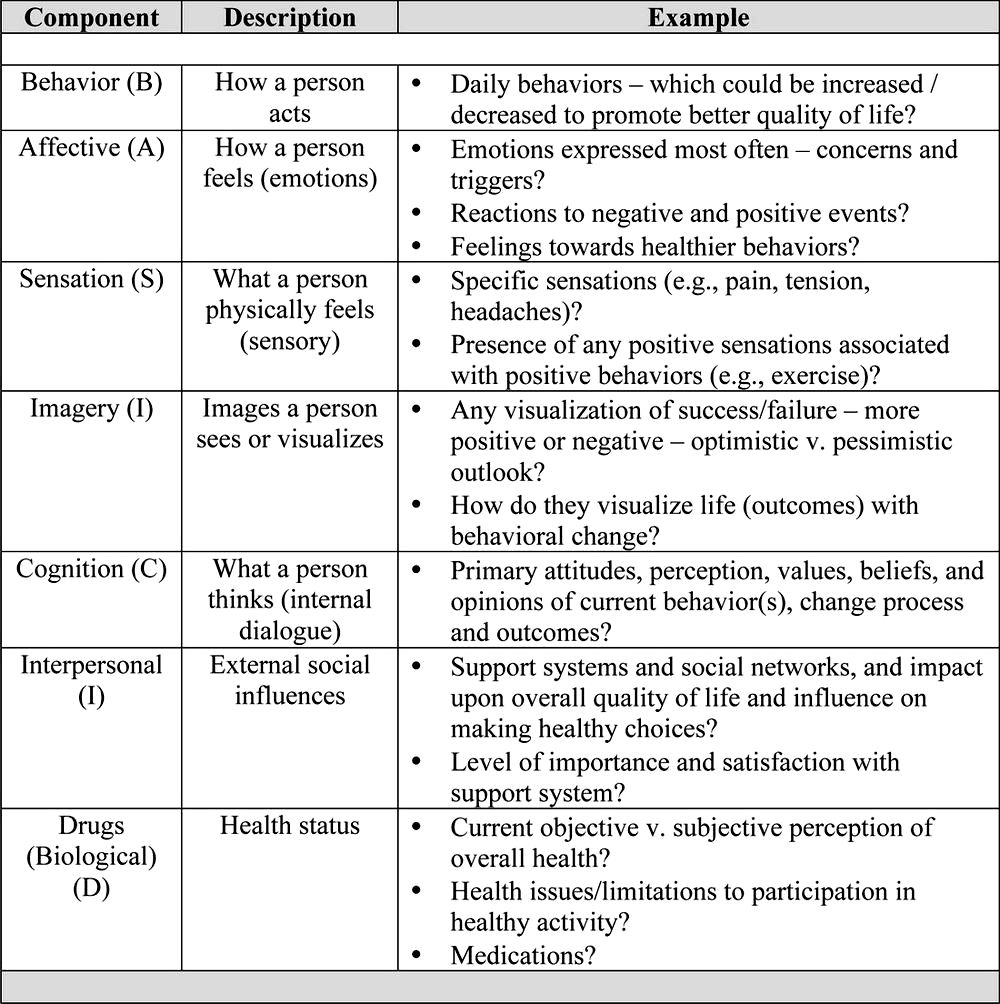
After completing the process of developing professional skills, it is also important to consider a process of autonomy and psychological self-improvement. We must understand our personal needs and work on improving our self-confidence, self-assurance, and ability to cope with challenges and difficulties in our professional journey. Only when we go through this process as well can we be true professionals and succeed in the coaching industry wholeheartedly.
2. Improving Customer Communication Skills in the Coaching Industry
Communication skills with customers are very important in terms of developing professional skills and psychological self-improvement in the coaching industry. Working with customers requires skills such as time management, stress management, understanding customer emotions and needs, and of course, interpersonal communication skills.
Building these skills requires hard work and perseverance. It is important to consider the needs of the customer and to be flexible and adaptable each time anew. To improve customer communication skills, it is important to focus on enhancing the ability to actively listen and understand customer needs. Additionally, it is important to focus on the ability to express yourself clearly and coherently.
When communicating with a customer, it is important to listen attentively and understand their feelings and needs. To improve your communication skills, you can use tools such as dialogue practice, communication workshops, and personal coaching.
At the end of the day, communication is central in the coaching industry and directly influences the relationship with customers and your professional success. You must be sensitive to customer needs and understand that each customer is unique and requires personalized treatment. In your work with customers, it is important to consider all the information provided and strive to constantly improve your communication skills to ensure that the customer feels satisfied and will return to your services in the future.
3. Identifying and Treating Psychological Issues in Coaching Industry Work
In the coaching industry, it is important to understand and accurately identify the psychological issues that may affect employees. The diagnostic process is an important part of psychological methodology, aiming to identify and assess the emotional and mental problems of employees.
During the diagnostic process, various tools and methods should be used to quickly and accurately identify psychological issues. Once the problem is identified, action should be taken quickly and efficiently to prevent negative effects on team performance and stability.
Treating psychological issues in the coaching industry can encompass a variety of methods and approaches, such as psychological counseling, therapeutic treatment, personal development programs, and more. The main goal is to assist employees in coping healthily with the mental challenges that may arise in the workplace.
Read More
Personalized psychological tools can be effective aids in the treatment and personal improvement process of employees. Managers need to understand the importance of mental support and provide appropriate responses to the needs of employees in the coaching field.
Developing the Ability to Cope with Stress and Challenges in the Coaching Industry
The ability to cope with stress and effectively deal with challenges is a vital skill in the professional coaching world. When working with clients and within a team, this skill becomes critical for professional and personal success. This process involves complex psychological skills and requires constant development and improvement of leadership and communication skills.
Coping with stress is a complex process that requires the ability to manage emotions and make decisions in challenging environments. Work-related stress can result from demanding situations that require quick and efficient action. Skills such as time management, stress management, and maintaining high motivation are essential components in developing coping abilities.
Efficiently dealing with challenges in the coaching industry requires improving our cognitive and emotional abilities. This includes the ability to manage stress and handle recurring situations. Developing these skills requires focused work and serious training to achieve a high level of coping ability.
In conclusion, developing the ability to cope with stress and challenges in the coaching industry is a vital process that requires hard work and perseverance. To succeed in this complex professional world, it is important to understand and improve the specific skills required for the role and invest in their efficient development.
5. The Relationship Between Mental Health and Professional Performance in the Coaching Industry
Mental health and professional performance in the coaching industry are critical topics that influence the future of coaching experts. Research shows that developing professional skills and psychological self-improvement can ensure success in this field.
Developing professional skills is important for improving performance and advancing in the coaching industry. How can we develop our professional skills? There are several ways, such as participating in workshops and professional courses, reading books and articles on the subject, and working with experienced mentors and teachers in the field.
Understanding ourselves can improve our coping ability at work
Avia Malka – Clinical Psychologist
Psychological self-improvement is an important part of our personal development process. This process includes better self-understanding, emotional management, and improving relationships with others. Those who succeed in improving themselves psychologically can be more stable, creative, and impressive workers in the coaching industry.
In summary, the relationship between mental health and professional performance in the coaching industry is crucial. Developing professional skills and psychological self-improvement are key tools for success in a dynamic and changing world like the coaching industry. Every expert needs to invest in themselves and work on their personal development to achieve impressive results and be a leader in the field.

6. General Treatment and Psychological Self-Improvement in the Coaching Industry
General treatment and psychological self-improvement are central parts of professional coaching work. As part of the professional development process, it is important to improve and develop our psychological skills. This process is based on several stages and tools that will help us grow professionally and succeed in working with clients.
One of the key stages in psychological treatment is self-understanding. This process helps us better understand our feelings, thoughts, and emotions. Through this, we can cope with internal challenges and develop self-skills that can improve our performance in the coaching field.
Another important stage in psychological treatment is the development of professional skills. During our work with clients, we focus on honing and improving our communication, understanding, and application of psychological tools. This way, we can enrich ourselves and achieve a higher level of performance in our role.
Professional improvement requires perseverance and hard work
Sarah Cohen – Career Counselor
In addition to psychological treatment, it is important to also focus on psychological self-improvement. This process focuses on dealing with psychological difficulties and developing skills to address them. By working with experts and gaining self-awareness, we can improve our quality of life and develop as professionals.
Ultimately, general treatment and psychological self-improvement are inseparable parts of our professional development process in the coaching field. We must be open to learning and improving constantly to ensure that we remain professional and effective in our roles.