1. Stages in the Conversion of Fear and Anxiety
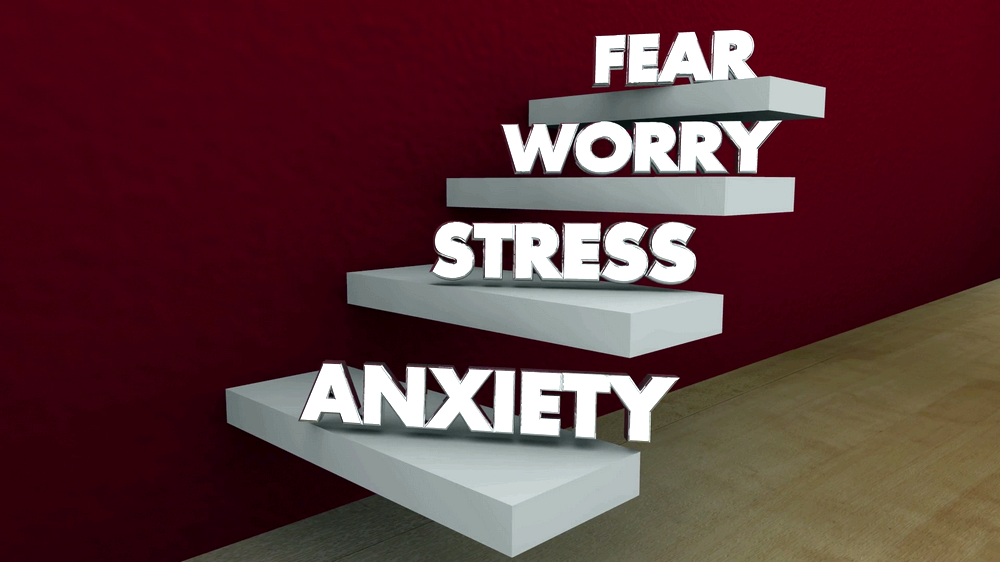
In this article, we focus on insights from studies in the psychology of the coaching industry, based on a complex social phenomenon – the conversion of fear and anxiety. This process occurs in different stages, and understanding it may help in coping with these feelings and reducing them.
The conversion from fear to action requires an understanding of the depth of anxiety and the factors of its development
Prof. Rachel Levy – Psychological Researcher
The first stage in the conversion of fear and anxiety is identification, meaning the recognition of the frightening feeling or thought. At this stage, it is important to understand exactly what the fear refers to and to identify its sources.
The second stage is acceptance, meaning accepting fear and anxiety as part of life and current conditions. Accepting fear may help reduce the levels of stress and anxiety caused by the frightening feeling.
The third stage in the conversion is the search for solutions, meaning seeking ways to cope with fear and anxiety. It is important to find effective strategies to deal with these feelings and use them at the right time.
After completing these stages, you can effectively cope with the fear and anxiety that surround you. Understanding the stages in this conversion may help improve the quality of life and reduce the mental pressure caused by these feelings.

The Impact of Fear and Anxiety on Daily Life
Fear and anxiety are natural emotions of human beings, but when they begin to dominate our daily lives, they can cause significant harm. Their impact on daily life can be distressing and lead to mental disorders such as depression, anxiety, and post-traumatic stress disorder.
Fear and anxiety can affect daily life in various ways. For example, fear of job loss may lead to anxiety and depression, affecting performance at work and relationships. Excessive anxiety about public places may disrupt daily activities and social life.
Fear and anxiety can also affect our physical health. Anxiety and depression can cause problems in the digestive system, cardiovascular system, and immune system. Additionally, they may increase the risk of diseases such as diabetes, depression, and chronic headaches.
To cope with the impact of fear and anxiety on daily life, it is important to identify the sources of fear and anxiety and seek ways to deal with them. Psychological therapy, breathing exercises, and relaxation methods such as meditation and yoga may help reduce anxiety and improve our daily quality of life.
Tips for Recovery and Personal Coping with Fear and Anxiety
Fear and anxiety are natural human emotions, but often they can become a problem when they prevent us from living our lives fully and pleasantly. When fear and anxiety take over our lives, it is important to know how to cope with them and start the personal recovery process.
Fear and anxiety are an inseparable part of the human psychological process
Dr. Yossi Cohen – Clinical Psychologist
Here are useful tips for recovery and coping with fear and anxiety:
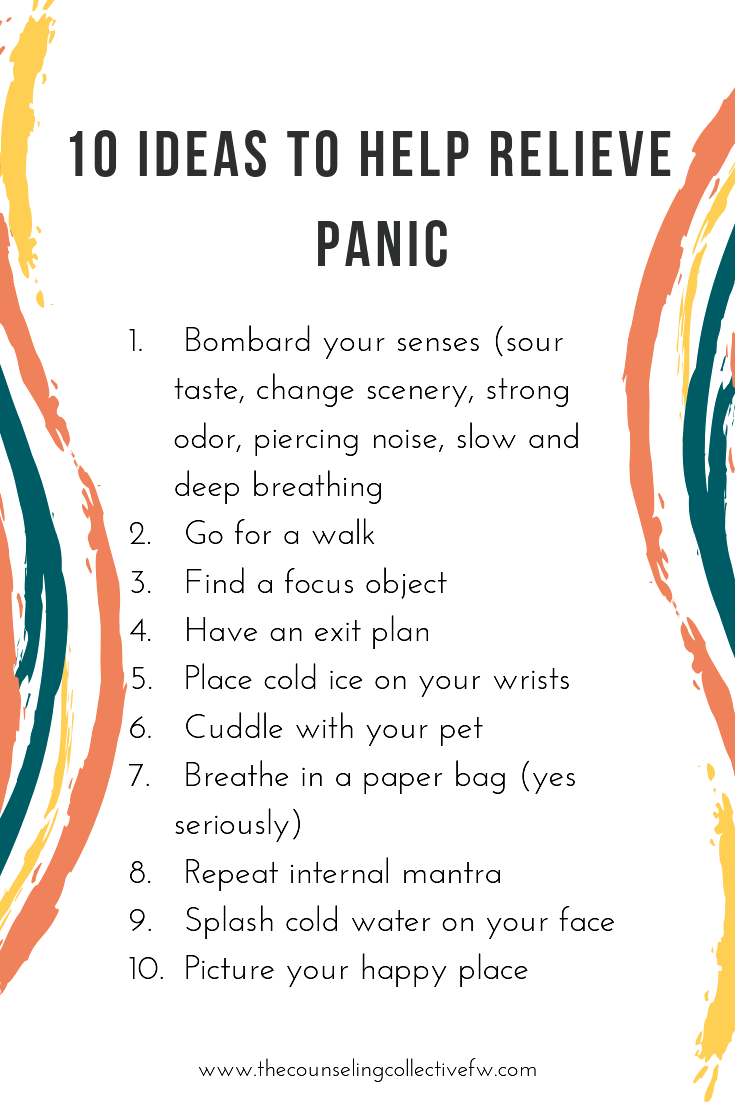
- Understanding and accepting emotions: It is important to understand and accept the feelings of fear and anxiety without judging them. When we know and understand our feelings, we can cope with them more effectively.
- Practice relaxation techniques: Relaxation techniques such as deep breathing, yoga practice, and meditation can help reduce feelings of fear and anxiety and calm the mind.
- Maintaining connections with friends and family: Social support is important in the recovery process and coping with fear and anxiety. Friends and family can be a source of support and help in times of need.
- Seeking professional help: In many cases, fear and anxiety can be part of a more serious problem and require help from a professional such as a psychologist or cognitive-behavioral therapist.
In conclusion, it is important to remember that fear and anxiety are part of our lives, but we can learn to cope with them in a healthy and effective way. To deal with fear and anxiety in the best way possible, it is important to understand and recognize them, and invest effort and time in the personal recovery process.

4. The Contribution of Psychology to Coping with Fear and Anxiety
Psychology serves as an important tool in the process of coping with fear and anxiety. With its knowledge and professional tools, it can help people understand and analyze their feelings and solve the problems arising from them.
One of the key contributions of psychology is the ability to identify and understand the sources of a person’s fear and anxiety. Using negotiation and coping processes, a psychologist can help a client identify the traumas and negative experiences leading to the development of these feelings.
Another important contribution is the development of tools and methods for coping with fear and anxiety. A psychologist can guide the client on how to use various techniques and develop psychological tools to help cope with these feelings in a healthy and effective way.
Additionally, psychology provides emotional support and guidance to its clients in the process of coping with fear and anxiety. The ability to understand and listen to the emotions of clients and offer them coping tools can be very reassuring and encouraging for them.
Therefore, the contribution of psychology to the process of coping with fear and anxiety is very important and can lead to a significant improvement in the quality of life of people dealing with these feelings.
5. The Importance of Social Support in Recovering from Fear and Anxiety
Social support is a key factor in the process of recovering from fear and anxiety. Social supporters can provide emotional and physical support that can help in coping with the negative feelings of fear and anxiety.
Social support can help a person calm down and deal with the difficult situations of fear and anxiety. Support from the environment can help a person understand the factors of fear and anxiety and identify suspicious areas in their lives that may affect these feelings.
Social support can help a person experience a sense of security and empathy from the environment, and help them develop coping tools for fear and anxiety. Support from the environment can reduce stress levels and alleviate feelings of loneliness and nervousness.
When a person feels supported and loved by their surroundings, they are more ready to cope with their fear and anxiety. Social support can provide them with emotional and supportive tools to help them cope with the challenges of the illness and progress in their recovery process.
The conversion from fear to jealousy and anxiety is a phenomenon that makes us a complex and fascinating society
Prof. Deborah Yaffe – Psychological Researcher
6. Psychological Treatment Options for Coping with Fear and Anxiety
When a person is coping with fear and anxiety, it is important to understand that there are many psychological treatment options that can help them deal with the unpleasant and limiting feelings they cause. Here are some recommended treatment options and therapies for coping with fear and anxiety:
- Psychological support therapy: Treatment with a skilled psychologist can help a person understand and cope with their fears and anxieties. A psychologist can provide tools and strategies for coping with unpleasant feelings and help a person overcome them.
- Talk and insight-based therapy: Talk-based therapies that delve into limiting factors can help a person understand the source of their fear and anxiety and develop effective coping tools.
- Cognitive-behavioral therapy (CBT): This therapy, based on a combination of emotional, cognitive, and behavioral approaches, can help a person change negative thoughts and behaviors related to fear and anxiety.
- Occupational and art therapy: Engaging in creative activities and art can release emotions and help a person cope with their fear and anxiety. This work can help a person get used to uncomfortable feelings and reduce the anxiety they cause.
Every individual can find the treatment that suits them and cope effectively with their fear and anxiety. It is important to remember that there are many different treatment options, and according to the need and situation, one should choose the most suitable treatment for each individual and their mental state.